 Back
Back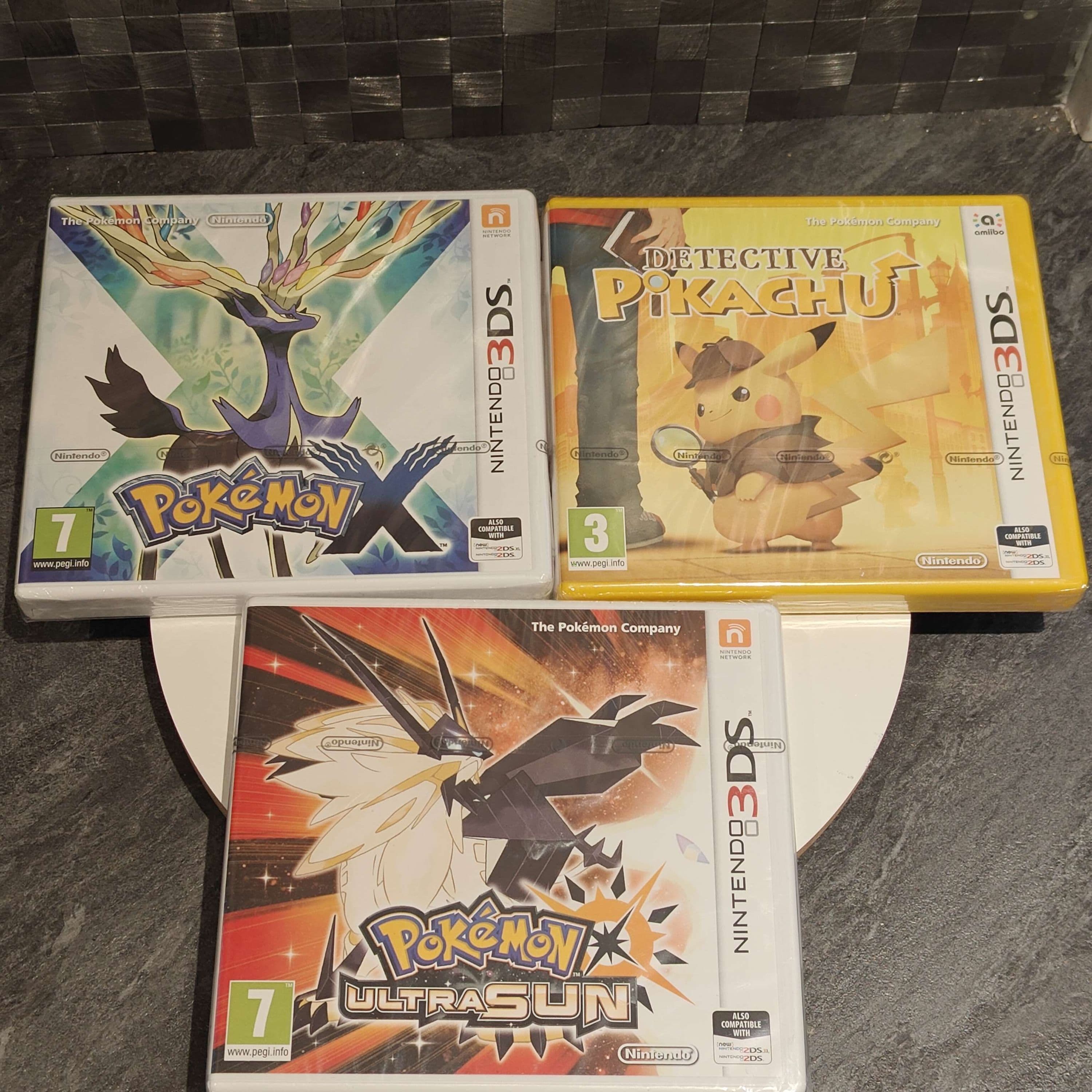
What a Slab Actually Tells You About a Sealed Game
Two sealed copies of the same game can lead completely different lives. One sits naked in a drawer, shrinkwrap intact, waiting to be believed. The other is entombed in acrylic with a label reading something like 9.4 A++ – and suddenly everyone at the meetup wants to hold it. If that label reads like tax code to you, here's the vocabulary, minus the mystique.
Slab vs raw, and what the plastic really signals
A slab is the tamper-evident acrylic case a grading company – WATA and VGA are the names you'll hear most in games – seals an item into after inspection. A raw game is anything that hasn't been through that process, even if it's factory sealed and flawless. Raw doesn't mean rough; it means unexamined by a third party.
So what does graded actually signal? Three things, and only three: someone with reference knowledge judged the shrinkwrap to be factory-original rather than a reseal, they assigned a condition opinion, and the case protects that state going forward. What it does not signal is a price. A grade describes condition on the day of inspection – the market decides everything else, and it changes its mind constantly.
That's why a raw sealed lot like three sealed Pokémon games isn't lesser than a slabbed one – it's just carrying its own burden of proof. You, the buyer, become the grader.
Seal grade vs box grade – two numbers, two different stories
WATA-style labels split the verdict in two. The box grade is a number on a ten-point scale describing the cardboard: corners, crush, sun-fade, shelf wear. The seal grade is a letter – A++ at the top, sliding down through B and C – describing the shrinkwrap itself: tears, holes, looseness, scuffing. VGA takes the other road and condenses everything into a single number on a 100-point scale.
The split matters because the two can disagree wildly. A box can be razor-sharp under wrap that's torn at the flap; a perfect seal can hug a box that took a beating in a warehouse. Read both halves before you get excited about either.
The seal is also where authentication earns its keep, because resealing – shrinkwrapping a used game to pass it off as new – is the oldest trick in sealed collecting. Graders study how factory wrap was folded and seamed; collectors talk about Y-folds and H-seams because publishers and periods had distinctive wrap patterns. The earliest US prints of Super Mario Bros. famously didn't use shrinkwrap at all – they shipped in hangtab boxes with sticker seals, which is exactly the kind of detail a reseal gets wrong.
First print: why 'Player's Choice' is a tell
A first print (or first production run) is the earliest version of a release, before reprints, budget lines, and revised packaging. Publishers helpfully mark many reprints for you: Nintendo's Player's Choice banner, Sony's Greatest Hits line in North America and the Platinum range on PAL shelves. Other tells are subtler – revised ratings logos, changed part numbers, tweaked back-of-box screenshots.
Sellers who know their print runs say so, loudly. A listing like this sealed first-release Unreal from 1998 is making a specific, checkable claim – and that specificity is worth more to a serious collector than a paragraph of adjectives. Region matters too: an NTSC first print and its PAL counterpart are different objects with different followings, not interchangeable copies of the same game.
Population reports, and when grading language actually matters
A population report (the "pop") is a census of how many copies a grading company has slabbed at each grade. Card collectors have leaned on PSA's pop data for decades; game grading's equivalent is younger and patchier. The trap: a pop report only counts what's been submitted. A common cartridge with a pop of two isn't rare – it's just rarely worth the grading fee.
- Grading earns its keep on high-value sealed games, on anything where reseal risk is real, and when selling to strangers who can't inspect in person.
- Raw makes sense for games you might actually open, for CIB copies you want to handle, and for titles where the fee outweighs the point.
- Either way, the grade is an opinion about condition – a careful, informed one, but not a promise about what anyone will pay.
A sealed Sprint Master for the Atari 2600 doesn't become a different object the day it's slabbed. The shrinkwrap doesn't know it's been graded.
Here's the honest test of which collector you are: if someone handed you a slabbed copy of your childhood favourite, would you crack the case to actually own the game inside? There's no wrong answer – but it's worth knowing yours before the vocabulary starts spending your money for you.


