 Back
Back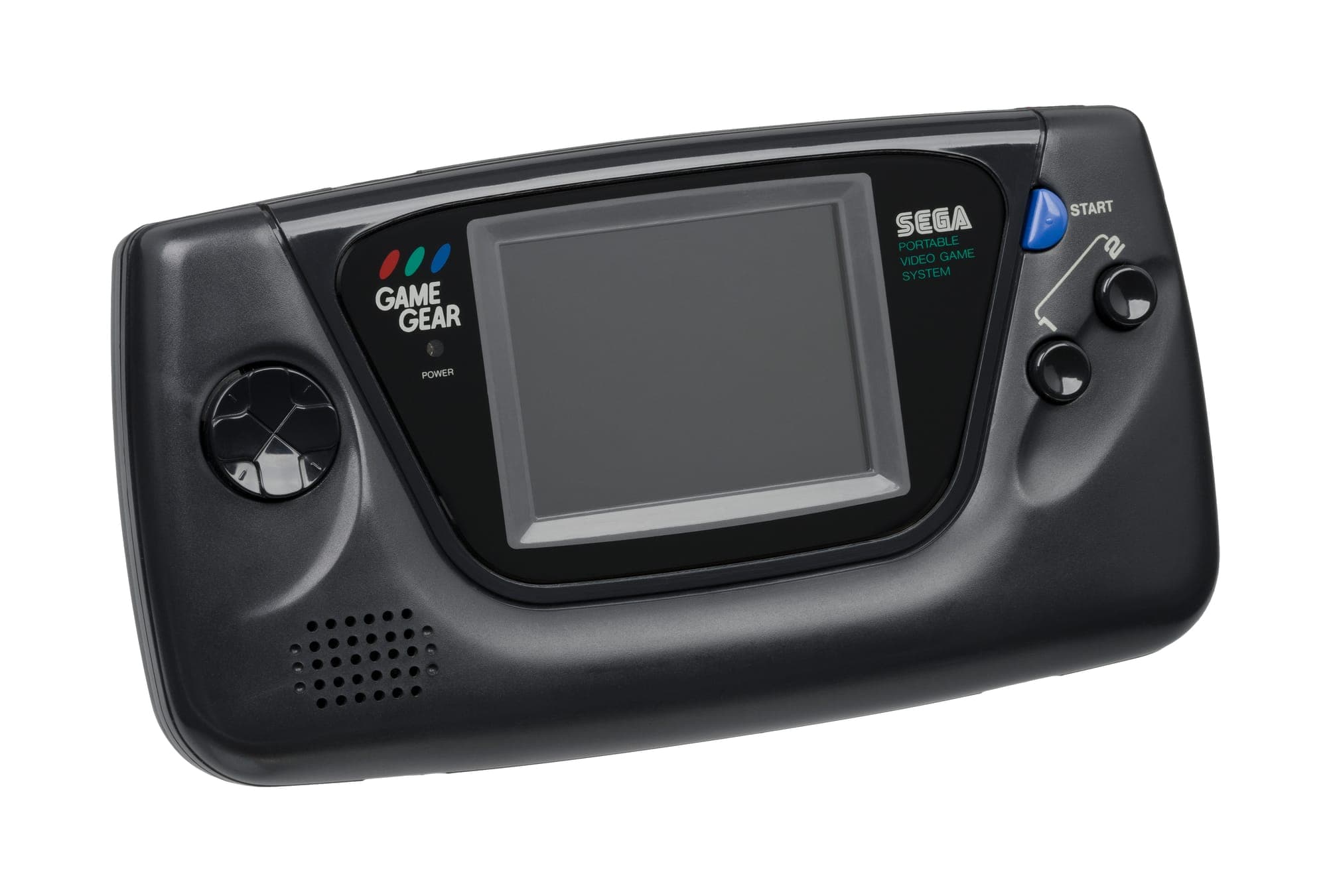
Buying a Game Gear or Lynx? Check These Failure Points First
Pop the battery covers off a Sega Game Gear and sniff. That faint fishy smell is leaked electrolyte from failing capacitors – an amine odour every Game Gear tech knows – and it means the console in your hands is running on borrowed time, if it runs at all.
Cartridge collecting is mostly about cosmetics. Classic handheld collecting is about the hardware itself, because on a Game Gear, an Atari Lynx or an early PSP, the shell can be showroom-clean while the inside is quietly dying. Here's how to assess one like someone who's opened a few.
Why every stock Game Gear is a ticking clock
Sega built the Game Gear (1990) around surface-mount electrolytic capacitors, and decades on, essentially all of them have leaked or dried out. The failure ladder is predictable: sound goes first – often the speaker dies while headphones still work – then the screen dims, then one day the unit won't power on at all.
That's why recapped is the most valuable word in a Game Gear listing. It means someone has replaced the electrolytic capacitors, ideally on every board in the unit – main, power and sound, depending on the revision. A properly recapped Game Gear hasn't just been repaired; its main failure mode has been removed. Expect to pay more for one, and be glad to.
And if a listing boasts "works perfectly, never opened" – read that as a service reminder with a price tag. An untouched Game Gear that works today is a Game Gear that needs capacitors soon.
Judging a screen honestly – the lens is not the LCD
Handheld screens hide their sins behind a plastic lens. Scratches on that lens photograph terribly but matter little: lenses polish out or get replaced cheaply, and glass upgrades exist for most classic handhelds. Damage under the lens is a different animal entirely.
- Persistent lines – vertical or horizontal, visible in every game – point to the LCD or its driver circuitry, not dirt. That's board-level work, not a wipe-down.
- A dim or flickering Game Gear screen usually means the fluorescent backlight tube, or the inverter driving it, is on the way out. Fixable, but it involves a soldering iron.
- Dead pixels don't heal. Ask for a photo of the screen powered on and running a game, taken in a normally lit room – a dark-room glamour shot hides everything.
The Atari Lynx (1989, the first handheld with a colour LCD) deserves its own line. That pioneering display was never the machine's strong suit and it hasn't improved with age, which is why so many Lynxes on the market carry a modern LCD replacement – the McWill mod being the best known. Unusually for retro collecting, a screen-modded Lynx often commands more than an untouched one. Purists keep originals on the shelf; players buy the mod.
The battery compartment never lies
The Game Gear and the Lynx each drink six AA batteries, and plenty of both have sat in drawers for years with alkalines still inside. Open every compartment before money changes hands, or demand photos. White or blue-green crust on the terminals is alkaline leakage; contacts can be cleaned or replaced, but the real question is whether the corrosion crept past them into the board.
Later handhelds trade that problem for lithium. Original PSP packs are now notorious for swelling – a puffed cell will bow the back of a PSP-1000 or push the battery door clean off. A swollen battery should be recycled, not described as "still holds a charge though." The same logic extends to the DS and 3DS families: the console is the vessel, and a mint copy of Metal Gear Solid: Snake Eater 3D is only as good as the hinge and battery of the 3DS you slot it into.
Six questions to ask before buying sight-unseen
Photos flatter, and "tested, works" means almost nothing for hardware with known chemical failure modes. Before you commit, ask:
- Has it been recapped – when, and by whom? "Serviced" or "refurbished" is not the same claim.
- Can you send a photo or short video of the screen powered on and running a game?
- Does sound work through the speaker at full volume, not just through headphones?
- What do the battery contacts look like? One photo per compartment, please.
- For a PSP: is the battery original, does it hold charge, and does the cover sit flush?
- When was it last played for more than five minutes? Some faults, like a fading backlight, only show up once the unit is warm.
A seller who answers all six without flinching is a seller you can trust. One who answers with "it worked when I stored it" has told you everything you need to know.
Here's the hot take to close on: with handhelds, all-original is the riskier buy, and the recapped, screen-modded unit is the better console. Retro collecting usually worships originality – handhelds are the great exception. So which are you: the purist preserving Sega's capacitors exactly as soldered, or the player fixing what Sega never expected to last this long?


