 Back
Back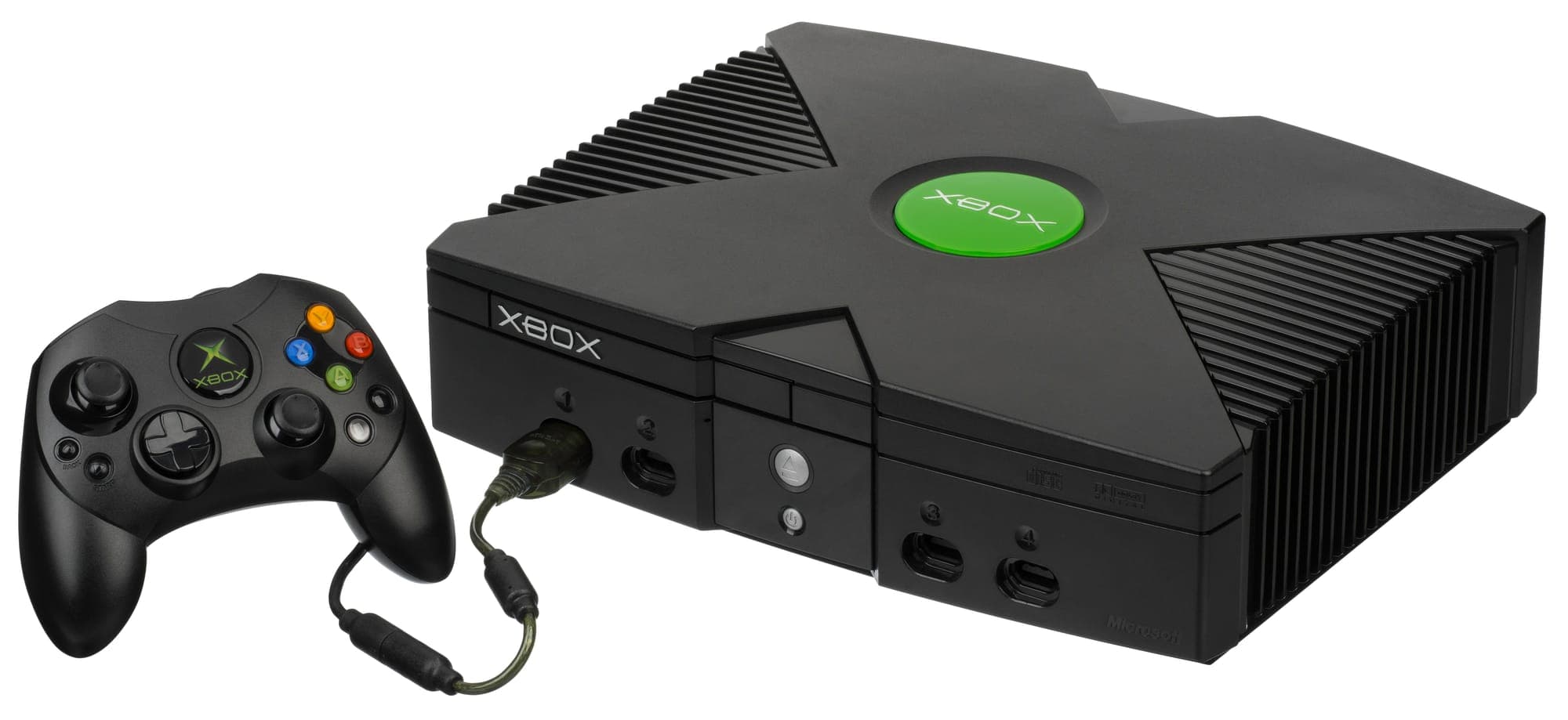
The Original Xbox Clock Capacitor Is Eating Your Console
Every unserviced original Xbox from the early production runs is carrying a small time bomb on its motherboard. It's called the clock capacitor – a stubby little component whose only job is to keep the system clock ticking while the console is unplugged – and on revision 1.0 through 1.5 boards it has a well-earned reputation for leaking electrolyte as it ages. That fluid is corrosive. It creeps out from under the capacitor, eats the copper traces around it, and does all of this silently while the console sits in a cupboard, nominally "working perfectly".
The cruel part is that the console will boot happily for years while the damage spreads. By the time it won't, the leak has often etched through enough copper that the repair goes from "wipe and neutralise" to microsurgery with a multimeter and jumper wire. If you own an original Xbox and you've never opened it, this is your sign.
Why "clock cap removed" is a feature, not a defect
Here's the counterintuitive bit: the fix is to remove the capacitor and throw it in the bin. The Xbox runs fine without it – the only consequence is that the console asks you to set the clock after it's been unplugged for a while. That's why experienced sellers advertise "clock cap removed" as a selling point, the way a used-car ad says "timing belt done".
An honest listing should mean three things by that phrase: the cap was physically removed, the area underneath was cleaned and neutralised, and the nearby traces were inspected for damage. "Recapped" is a bigger claim – it should mean the aging electrolytic capacitors on the board (ideally the power supply too) were replaced with new ones, not just the clock cap yanked. If a listing says "recapped", ask which caps, and ask for a photo of the board. A seller who did the work will be delighted to show you. A seller who's repeating a word they saw elsewhere goes quiet.
One genuine exception: the final 1.6 board revision used a different part that isn't known to leak, which is why careful listings say things like "1.6 – no clock cap issue". If a seller can tell you the board revision at all, that's already a green flag.
The DVD drive lottery nobody mentions
Microsoft sourced Xbox disc drives from several manufacturers, and they did not age equally. Thomson drives are the community's least favourite by a wide margin – weak reading and tray trouble have been their signature for two decades – while Samsung drives enjoy the best reputation for reading discs, with Philips and Hitachi landing in between. You can't tell which one you're getting from the outside, so it comes down to how the console was actually tested.
"Tested, works" often means "it powered on and showed the dashboard". That is not a drive test. Ask specifically:
- Does it load a pressed retail disc all the way into gameplay – something like a CIB copy of Call of Cthulhu: Dark Corners of the Earth – not just to the title screen?
- Does the tray open and close under its own motor, without a nudge? A tired drive belt announces itself here first.
- Any "dirty or damaged disc" errors, even occasional ones? Intermittent is how these drives fail.
Duke vs Controller S: where the wear hides
The Duke – the enormous launch controller – and the smaller Controller S that replaced it wear out differently. On a Duke, check the thumbstick rubber, which polishes smooth and can split with heavy use, and the breakaway cable connector, which gets loose after twenty years of being tripped over exactly as designed. The Controller S is generally the tougher survivor, but its smaller face buttons are more prone to sticking from ingrained grime, and hard-used examples develop mushy triggers.
Either way, insist that it's been driven in an actual game. Stick drift and dead zones don't show up in a dashboard menu.
As for the shell: black plastic hides UV damage far better than the grey Nintendo consoles of the era, so a genuinely yellowed Xbox has usually lived somewhere grim – check the underside and rear vents, where nicotine and sun exposure show first. The green jewel on the lid is its own tell: the resin is known for developing fine internal crazing with age. It's cosmetic, but it's a fair test of any "mint condition" claim.
Questions that separate tested from actually tested
Before trusting any description, get answers to these – especially on multi-console lots like this three-Xbox bundle, where one leaky board can hide behind two healthy ones:
- Which motherboard revision is it, and has the clock cap been removed? A photo of that area of the board beats any adjective.
- Which brand of DVD drive, and does it load games to gameplay?
- Is the hard drive original, and does it boot to a stock dashboard – or has it been softmodded? Mods aren't the problem; undisclosed mods are.
- Are the controllers genuine Microsoft, and do the sticks centre cleanly?
Here's the uncomfortable truth: an unserviced original Xbox isn't "untested, probably fine". It's a console with a known, documented failure mode that gets a little worse every year it's ignored. The divide in this hobby won't stay CIB versus loose forever – it'll be the consoles someone opened in time versus the ones nobody did. Which side of that line is your shelf on?


