 Back
Back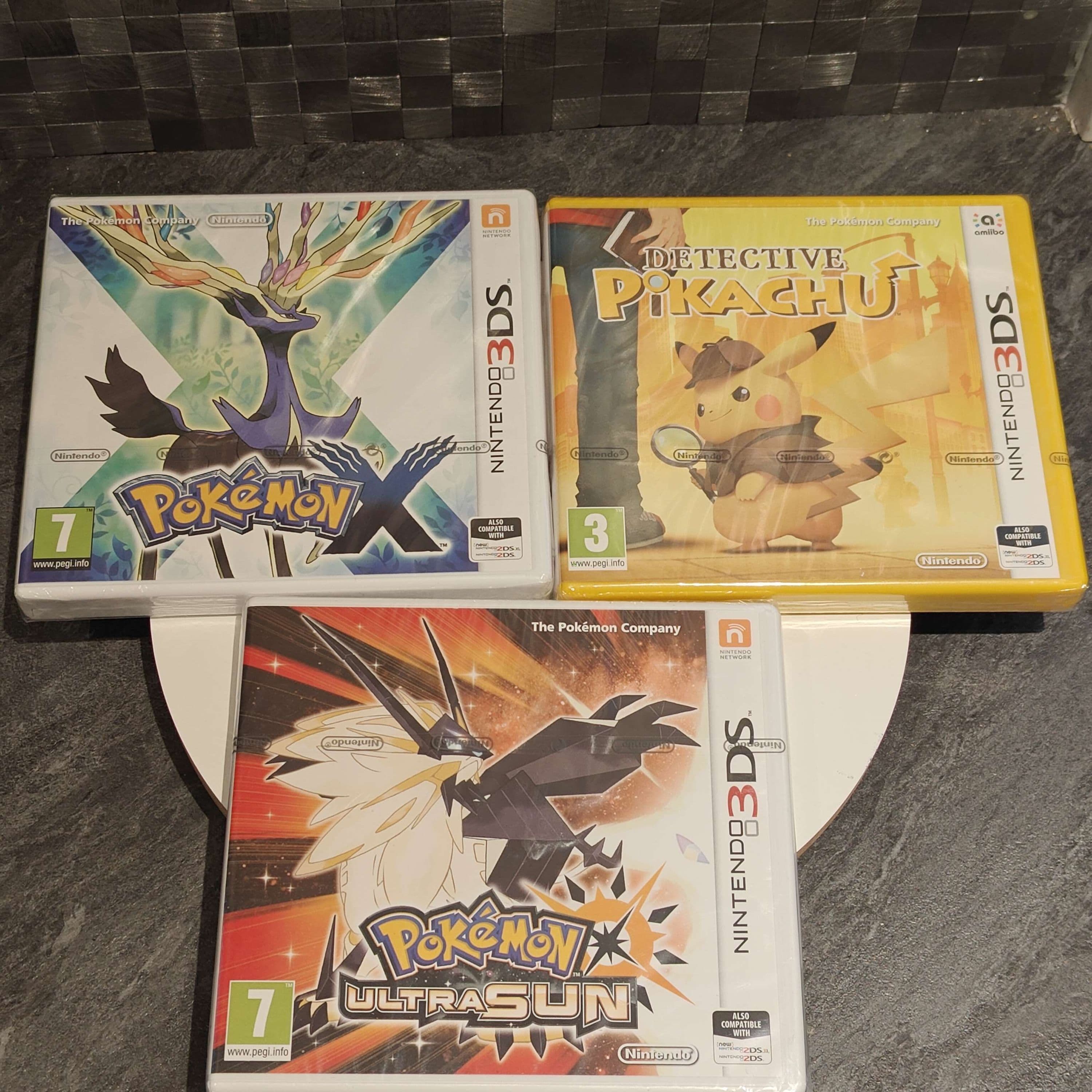
How to Read Game Prices Like a Collector, Not a Mark
Pull up every listing for a complete-in-box copy of Chrono Trigger – Square's 1995 SNES RPG – and count the different prices attached to what is, on paper, the same game. The spread is not noise. It's a lesson, and most buyers never learn it: the majority of numbers you see on a marketplace are wishes, not prices.
Reading those numbers well is a skill, and it's mostly a defensive one. Nobody is coming to protect you from an ambitious asking price – the marketplace certainly isn't. Here's how to build the reflex.
An asking price is an opinion, a sold price is a fact
Anyone can type any number into a listing. Sellers anchor on the most optimistic listing they've seen, which was itself anchored on another optimistic listing, and the whole thing spirals upward without a single transaction taking place. That's how you end up with five copies of the same PAL Mega Drive title sitting unsold for months at a level nobody has ever actually paid.
Sold prices are the only ground truth. If your marketplace shows completed sales, live there. If it doesn't, the age of a listing is your proxy: a copy that's been up for half a year isn't priced at market – it's priced at hope. Stale listings are data too, just not the kind the seller intended.
Auction results and fixed-price sales aren't quite the same species either. An auction ending on a quiet weekday afternoon can undershoot; one that catches two determined collectors can overshoot badly. A fixed-price sale tells you what someone paid without a countdown clock breathing down their neck. Weigh them accordingly.
Sealed and graded copies are a different hobby
A factory-sealed game is not the deluxe version of your CIB copy – it's a different collectible, bought by different people for different reasons. The moment shrink-wrap enters the equation, you're pricing the scarcity of an artifact, not a game. Put a WATA or VGA grade on it and you've moved another postcode away from what an ordinary played copy trades for.
Sealed listings – like this sealed Sprint Master for the Atari 2600 or an entire lot of sealed Pokémon games – are great fun to browse and useless as comps for the loose cart in your hand. When you're researching an ordinary copy, mentally strike every listing with sealed, graded, or mint in the title before you form an opinion. Your sense of normal recalibrates fast, and never in your favour.
Spotting the comps that lie to you
Even genuine sold prices can mislead. One sale far above the cluster usually has a story behind it: two bidders who wouldn't quit, a rare regional variant (a first-print NTSC-J copy is not a comp for a late PAL reprint), or a listing that quietly included extras. A single high sale is an anecdote. A cluster of recent sales is a market.
Condition mismatch is the sneakier trap. CIB technically just means cartridge, manual, box – it says nothing about a crushed corner, a price-sticker scar, or a sun-faded spine. EarthBound is the classic example: complete means nothing until you know whether that oversized box still has the Player's Guide inside it. And cart-only listings are where reproduction carts hide – Pokémon games are notorious for it.
Then there's bundle noise. A console-plus-twelve-games lot sells for one number, and buyers try to reverse-engineer a per-game value from it. Don't. Bundles trade at a discount for the seller's convenience, and dividing a lot price evenly across wildly unequal games produces figures that mean nothing – the Chrono Trigger in that lot did the heavy lifting, not the sports titles padding it out.
The five questions to ask before you pay
Here's the whole method, compressed into a checklist you can run in under a minute:
- Sold or asking? If it hasn't transacted, it isn't a price – it's a proposal.
- Does the condition actually match? Same completeness, same wear, same region as the copy you're judging.
- Is it sealed or graded? Then it's not your comp. Skip it entirely.
- Is it part of a bundle or lot? Bundle math is broken math. Ignore it.
- Is there a cluster? One data point is an anecdote. Several recent, comparable sales in rough agreement – that's a market.
The uncomfortable truth is that patience is the sharpest pricing tool you own. A seller has to be right once; you only have to be right on the day you actually buy, and the buyer who can wait for a third comparable sale almost never overpays. So – what's the most delusional asking price you've ever caught in the wild? We've all got one bookmarked.


