 Back
Back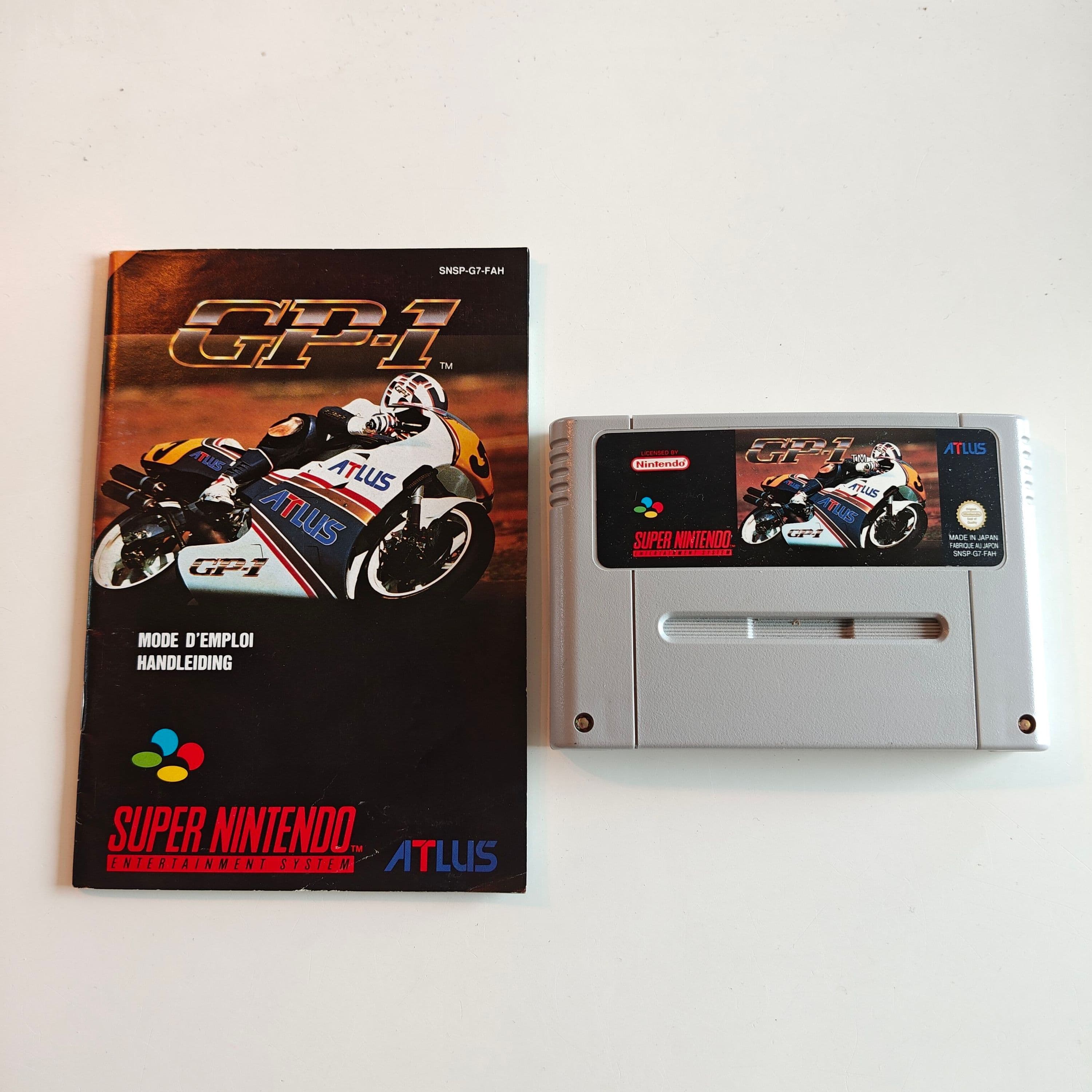
How to Import Famicom Games Without Getting Burned
The auction photo shows a Super Famicom box with crisp corners, a manual fanned out like a hand of cards, and a price that makes boxed Western copies look silly. One problem: the description is four words long, the console in your living room is a PAL machine, and the seller is nine time zones away. Importing from Japan is one of the great joys of collecting – if you know what you're actually clicking on.
Will it even run on your setup?
Start with the hardware truth nobody puts in the listing. The Famicom – Nintendo's 1983 original that later reached the West as the NES – uses 60-pin cartridges, while Western NES carts are 72-pin. A Famicom cart physically won't fit an NES without an adapter, so if you're buying Famicom games, the honest move is buying a Famicom too. Hunt for the AV Famicom (HVC-101) if you can: the original model outputs RF only, which is misery on a modern screen, while the HVC-101 gives you composite video through Nintendo's standard multi-out.
The Super Famicom is friendlier. Its cartridges are electrically compatible with the North American SNES – the main obstacle is a pair of plastic tabs inside the US console's cartridge slot, which is why slot adapters exist. The rounded Super Famicom cart shell and the squared American shell are different shapes, so if you're eyeing a Super Nintendo racer like GP-1, ask the seller to photograph the cart itself, not just the box. PAL owners have it harder: European consoles run games at 50Hz and enforce a different lockout, so the clean solution is simply a Japanese console. Two caveats for everyone: Japanese hardware expects 100V power, so a European wall socket will cook an original adapter without a step-down converter, and the video signal is NTSC – fine on most modern TVs, a coin flip on an elderly PAL CRT.
If all that sounds like homework, remember the Game Boy never had region locking at all. A Japanese cart of Super Mario Land plays on any Game Boy ever sold, anywhere on Earth. It's the gentlest possible gateway into importing.
Reading a Japanese listing like a local
Japanese sellers describe condition with a precision that puts most Western listings to shame – once you know the vocabulary. 箱説付き means box and manual included, the baseline for anything calling itself complete. 美品 – "beautiful item" – signals genuinely careful ownership. The word that should stop your scrolling is ジャンク, "junk": sold as-is, untested, no returns, no sympathy. Junk lots occasionally hide treasure. More often they hide corroded battery terminals.
Completeness also means different things by format. On disc-era games – Saturn, PlayStation – collectors obsess over the spine card, that slim paper insert along the case edge that most players binned on day one, and the obi band wrapped around some releases. For cardboard-boxed Famicom and Super Famicom games, the equivalents are the manual, the inner tray or baggie, and any slips and inserts that shipped in the box. A box with no manual isn't complete, whatever the listing implies. And watch for sun fade: Super Famicom shells are notorious for yellowing, and a listing photographed under warm indoor light can hide a lot.
Five questions to ask before you commit
A good seller answers all of these happily. A vague answer is an answer too.
- Does it boot? "Untested" on a forty-year-old console is a polite way of saying "probably not, good luck."
- Are the photos of the actual item? Stock images are a red flag on anything graded above junk.
- Does the save battery still hold? Many Super Famicom carts use battery-backed SRAM, and those batteries are decades past their design life. Dead ones are replaceable, but you want to know before bidding like it's mint.
- What exactly is included? Ask the seller to list box, manual, inserts, and cables item by item.
- How was it stored? Smoke and humidity leave marks that photos flatten out.
The slow boat and the customs form
However the deal goes, the parcel still has to cross an ocean. Faster shipping methods cost meaningfully more; slower ones can take weeks and test your patience in ways no tracking page can soothe. Insist on tracking either way – an untracked CRT-era console drifting through international post is not an anxiety you need.
Then there's customs. Depending on where you live, your country may add import charges on top of what you paid, assessed on the declared value. Budget for that possibility instead of being ambushed by it. And never ask a seller to mark a package as a low-value gift: it's fraud, it torpedoes your insurance claim if the box arrives crushed, and reputable sellers will refuse anyway. Proxy and forwarding services can consolidate several wins into one shipment, which softens the blow considerably.
Here's the takeaway: the risk in importing isn't the distance, it's the assumptions. Every horror story starts with someone who didn't ask about the save battery, the cart shape, or the word ジャンク sitting in plain sight. Ask the boring questions and Japan is, honestly, one of the best places on the planet to buy old Nintendo hardware. What's the one import question you wish you'd asked sooner?


