 Back
Back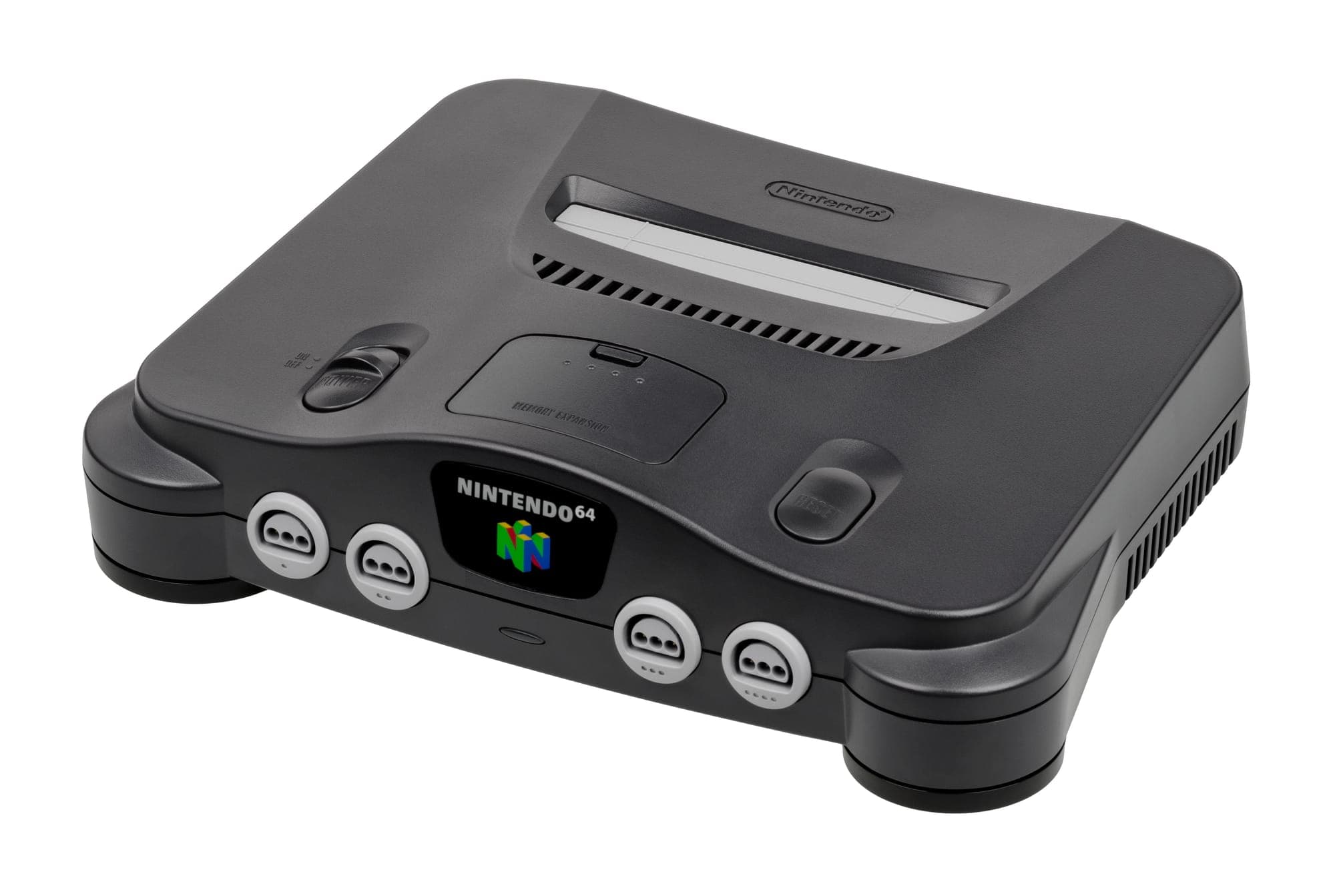
How to Grade Retro Games Before You Overpay for a Fake
Pick up a sealed copy of Conker's Bad Fur Day and the first thing a seasoned collector does isn't admire the artwork – it's tilt the shrink-wrap under a lamp looking for the wrong kind of shine. Modern resealing machines leave a tell: seams that are too tidy, wrap that's slightly too tight, and that suspicious lack of factory wrinkles. Condition is where retro collecting stops being nostalgia and starts being money, and the gap between a beaten cartridge and a boxed CIB copy can be brutal.
What collectors actually inspect first
Nobody who knows what they're doing grabs the game and starts playing. They work outside-in. The box or sleeve carries most of the value on cart-based systems, because it's the thing most people threw away in 1998.
- Box corners and edges – crushing, split seams, and price-sticker ghosting are the big value killers. A cardboard N64 box that survived a childhood is rarer than the cart inside it.
- Manual – check for water stains, a cracked spine, and whether some kid filled in the memo pages. Complete, unwritten manuals matter more than people expect.
- Inserts – poster inserts, warranty cards, and those Nintendo Power flyers. A CIB listing missing the inserts isn't truly complete, whatever the seller says.
- The cart or disc – label scuffs, sun-fading, and yellowed shells on carts; hairline scratches and hub cracks on discs.
On PlayStation and Saturn discs, the back is only half the story. Look at the clear plastic hub – cracks there mean the disc has been forced onto the spindle, and those spread. A perfect play surface with a cracked hub is a ticking clock.
Spotting reproductions and resealed fakes
Reproduction carts flood the market, especially for pricey N64 and SNES titles. The giveaways are consistent once you know them. Repro labels sit slightly proud of the shell, the colours are a touch oversaturated, and the printing is glossy where originals are matte. Flip the cart: genuine Nintendo carts use security screws (that three-pointed gamebit), while cheap repros often use standard Phillips screws.
Board-level fakes are trickier. A real cartridge PCB has proper solder masking and Nintendo part codes; a reproduction usually has a small modern flash board with a generic EPROM. If a seller of an expensive title refuses to open the shell for a photo, walk away.
Resealed sealed games are the real trap because the premium is enormous. Study the shrink-wrap: original factory wrap has a specific seam placement per region and era. Beware wrap that covers a Y-fold too neatly, and be extra suspicious of common titles suddenly appearing sealed in bulk. When in doubt, a graded slab from a reputable service is the safer bet – you're paying for authentication as much as the grade.
Why one condition tier can double the price
Retro pricing isn't linear, it's a staircase. A loose, working cart of a common game is the floor. Add the box and it climbs. Add a mint manual and inserts and it jumps again. Then sealed-and-graded sits in its own stratosphere. The same title can span an order of magnitude depending on where it lands on that ladder.
The effect is wildest on titles that are either beloved or notorious. Take Superman 64 – genuinely one of the worst games on the console, yet a clean boxed PAL copy has real cachet precisely because of that reputation. Meanwhile a competent but overlooked release like 1080 Snowboarding holds its value on the strength of the game itself. Condition amplifies both stories.
Hardware follows the same rules. A yellowed, controller-only console is worth a fraction of a clean boxed Atomic Purple N64 bundle, and accessories move on condition too – an original boxed Expansion Pak in good shape beats a bare, dusty one every time.
Building a grading eye you can trust
The best training is handling authenticated examples until the fakes start looking obviously wrong. Photograph your own collection under consistent light so you have a baseline for label colour and wrap texture. Learn the regional quirks – PAL big-box variants, NTSC-J spine cards, the works – because a "rare" listing is sometimes just a common regional variant a seller doesn't recognise.
A few habits that save money:
- Always ask for photos of the cart's back label and the disc hub, not just the glamour shot.
- Weigh questionable carts – repro boards often feel lighter.
- Treat "sealed" as a claim to be proven, not a fact.
- Factor grading fees before you buy something to slab; on cheap common titles it rarely pays off.
Here's the hot take: chasing gem-mint sealed copies is a great way to spend a fortune on plastic you'll never play. A crisp, complete, authentic CIB you can actually open and enjoy is the sweet spot for most collectors. What's the one condition flaw that instantly makes you close a listing?


