 Back
Back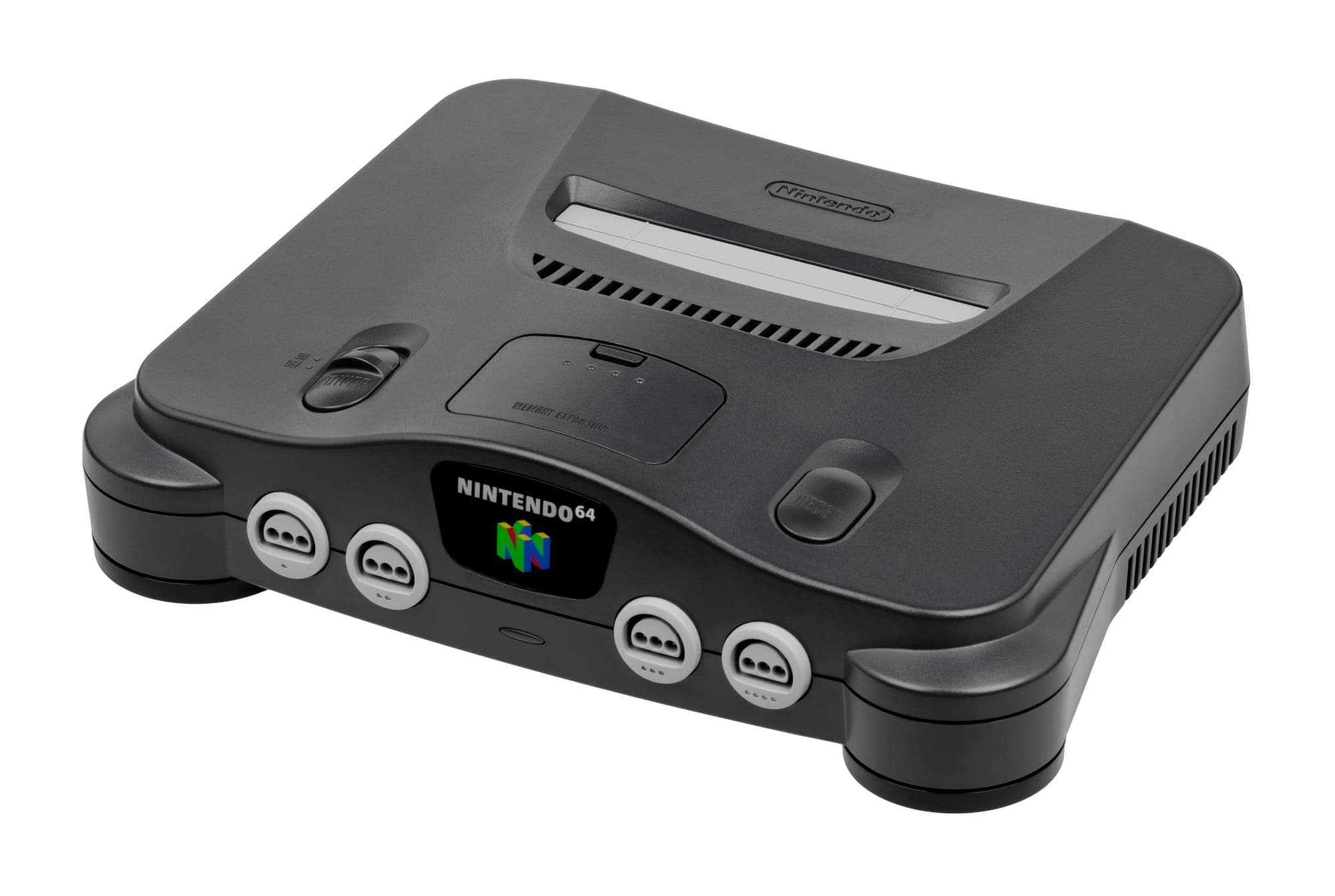
The N64 Condition Checklist Every Collector Should Run
Grip the analogue stick and rotate it slowly before you look at anything else. If it wobbles in its socket like a loose tooth, sits low, or crawls back to centre like it's exhausted, you've just learned more about that console's life than any listing photo will tell you. The N64 stick is the most honest condition report in retro gaming – which is why it's step one on this checklist.
Why the stick test comes before everything else
The original N64 controller stick rides on plastic gears inside a bowl mechanism, and those gears literally grind themselves to powder with use. A healthy stick stands tall, snaps back to centre, and holds firm resistance through a full rotation. A tired one feels mushy and vague, and no amount of shell polish fixes that.
Mario Party was the great stick killer. Its palm-spinning rotation minigames chewed through gear teeth faster than anything else in the library, so a controller from a Mario Party household usually tells on itself the moment you touch it.
Ask whether the internals are original, too. Aftermarket replacement sticks – GameCube-style units, steel-bearing rebuilds – are common now and perfectly playable, but an untouched original with a tight stick is a different item at a different price. Sellers should disclose the swap; buyers should ask before money moves.
Funtastic shells and the colourway pecking order
The launch console shipped in charcoal grey, but in 2000 Nintendo rolled out the translucent Funtastic line: Fire Orange, Grape Purple, Ice Blue, Jungle Green, Smoke, and Watermelon Red. Jungle Green had already appeared in the Donkey Kong 64 bundle, and translucent Atomic Purple controllers were bundled everywhere – a boxed Atomic Purple bundle is exactly the kind of set that photographs plainly but ticks the right boxes.
Japan got its own exclusives on top of that: a gold console, Clear Blue and Clear Red variants, and the Pikachu edition with its Poké Ball reset button. PAL and NTSC machines look identical from across the room, but the hardware is region-locked, so confirm the region code before you fall in love with a shell colour.
One shell-specific trap: mixed housings. Top and bottom halves get swapped during repairs, and translucent plastics fade at different rates. Hold the console under strong light and compare the tint of the upper shell, the lower shell, and the Expansion Pak door. Three different shades means three different donor machines.
Reading a cart like a condition report
Labels do the talking. Check all four corners for label lift, run a fingertip across the surface to feel for bubbling, and look for the ghosts of rental stickers – Blockbuster residue never fully leaves. Then angle the cart against the light: sun fade turns grey shells chalky and washes coloured labels out unevenly, and the back of the cart makes a handy unfaded reference point.
Coloured carts broadcast their history loudest. The gold Ocarina of Time cart, the holographic gold Majora's Mask, and the banana-yellow Donkey Kong 64 all show fade clearly after years on a sunny shelf. And condition discipline doesn't care about a game's reputation – even a PAL Superman 64 deserves a flat label and an honest photo, because ironic-shelf buyers judge presentation too.
The completeness details that flip common into coveted
Loose N64 hardware is everywhere; genuinely complete N64 hardware is not. Before you list or buy a boxed piece, check for:
- Console boxes: the foam tray, the original AV cable and power supply, the Jumper Pak sitting in its bay, and the full manual stack. Cardboard condition carries real weight here – crushed corners are forever.
- The Expansion Pak: Donkey Kong 64 and Majora's Mask refuse to run without it, and Perfect Dark locks away most of its campaign. An original Nintendo Expansion Pak beats a third-party RAM pak on value every time, and the little removal tool is a bonus most sellers forgot existed.
- Game boxes: the inner cardboard tray, the manual, and the consumer-information inserts. N64 boxes are soft card, so a missing tray quietly downgrades "CIB" to "box included".
That last distinction matters more than any other line in a listing. Complete in box should mean complete – a cart rattling around an empty box is just a loose cart with shipping protection.
Here's the hot take to argue with: a mint box wrapped around a mushy controller is furniture, not a collection piece. The stick is the soul of this console – Super Mario 64 and 1080° Snowboarding are simply unplayable on a worn one – so buy tight sticks first and let the shelf candy follow. What's the first thing you test when an N64 lot lands on the counter?


