 Back
Back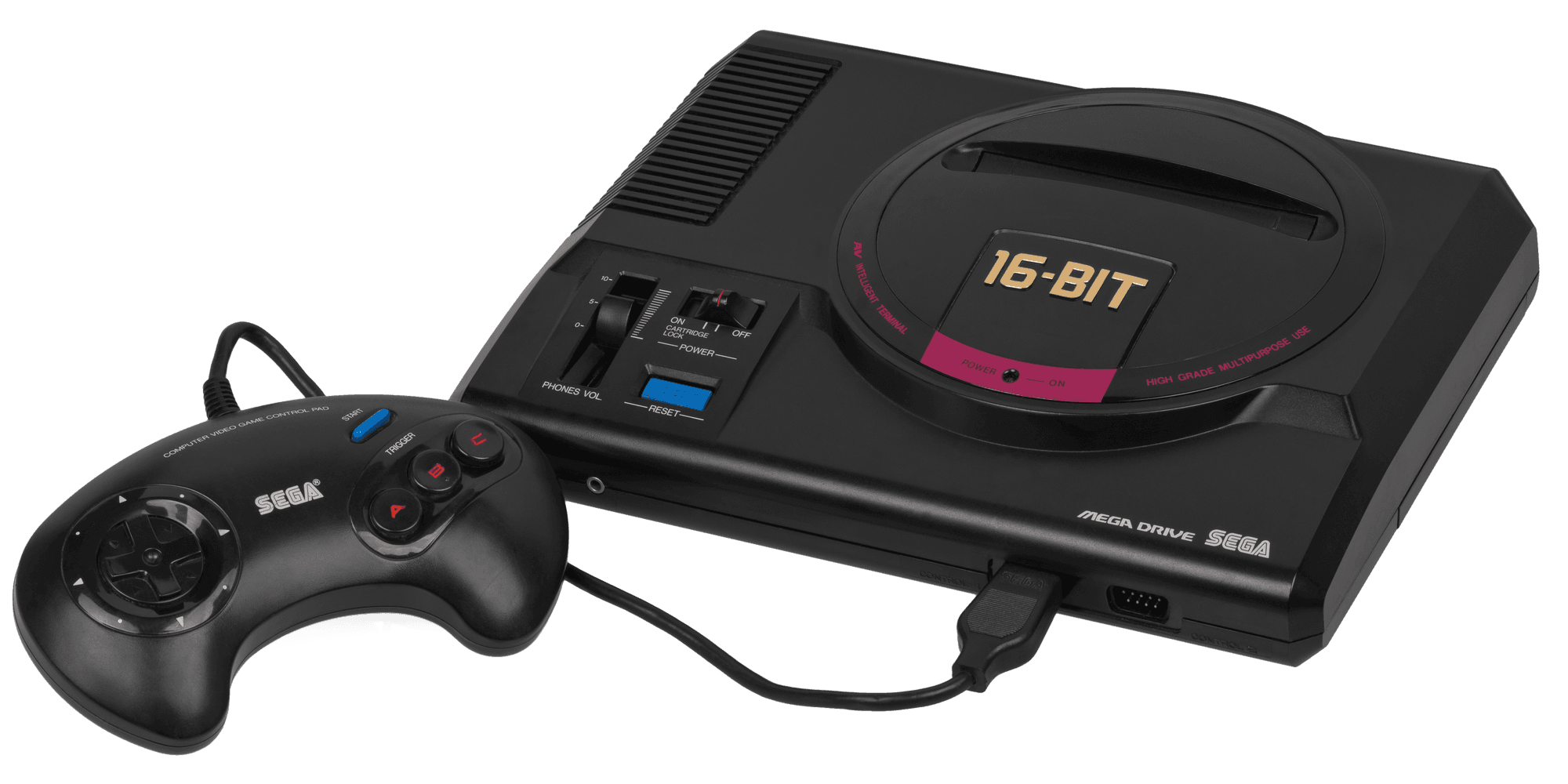
How Streets of Rage Became the Mega Drive Series to Collect
Yuzo Koshiro's name sits right on the title screen of Streets of Rage – not tucked away in the end credits, but up front, before you've thrown a single punch. Sega knew exactly what it had in 1991: a beat 'em up whose club-inspired soundtrack was as much the star as the fighting. Three decades on, this is still the series people picture when they picture the Mega Drive – and one of the most satisfying trilogies to collect, provided you know which region you're actually buying.
Three games, four years, zero filler
The 1991 original was Sega's answer to Final Fight, which had gone to the SNES in a compromised port – no two-player co-op, one character cut. Sega countered with proper co-op, three playable ex-cops (Axel Stone, Blaze Fielding and Adam Hunter), and a screen-clearing special that called in a police car to hose the street down with fire. It's leaner and simpler than what followed, but the Koshiro soundtrack still carries it.
Streets of Rage 2 (1992), co-developed with Ancient – the studio Koshiro founded – is the one everybody remembers. The cartridge jumped to 16 megabits, the sprites got huge, the police car was retired in favour of proper per-character special moves, and Adam was swapped out for wrestler Max Thunder and rollerblading kid Eddie "Skate" Hunter (Sammy, in Japan). If you only ever own one Mega Drive cartridge, it's a defensible choice.
Streets of Rage 3 (1994) sped everything up, added a dash and a dodge, and let you upgrade your special moves mid-game. It's also the entry where the regions went their separate ways – more on that below. The series then slept until 2020, when Dotemu, Lizardcube and Guard Crush Games shipped Streets of Rage 4 and proved the formula never actually aged.
Which cartridges collectors chase, and why
Prices move constantly, so treat this as a map rather than a menu:
- Streets of Rage 2 – the most beloved, but it sold in enormous numbers, so loose carts are everywhere and stay affordable. The chase here is condition: a complete copy with an unbattered manual is the one worth holding.
- Streets of Rage 3 – released late in the console's life with a smaller print run, so complete western copies consistently cost more than the better game that preceded them. Scarcity beats quality; it usually does.
- Bare Knuckle III – the Japanese release of the third game, and the connoisseur's pick: saner difficulty, the original story intact, and the mini-boss Ash still present, all of which the western version cut or altered.
- Streets of Rage 1 – the honest entry point. Common, cheap, and a genuinely great game rather than a mere prologue.
Mega Drive, Genesis, Bare Knuckle: one series, three names
Sega couldn't secure the "Mega Drive" trademark in North America, so the console shipped there as the Genesis – which means the exact same games exist under different names in different packaging. In Japan the series isn't called Streets of Rage at all: it's Bare Knuckle, the first game subtitled Ikari no Tekken. Europe adds its own wrinkle – PAL boxes print the sequel with Roman numerals as Streets of Rage II, while American carts say Streets of Rage 2. None of these are bootlegs. They're just regions.
The practical traps when you're buying:
- Cartridge shells differ. Japanese Mega Drive carts are a different shape and won't slot into a western console without an adapter – and some later releases add software region checks on top.
- PAL runs at 50Hz. European copies of the trilogy play noticeably slower than NTSC, music included. Fine if that's the version you grew up with; jarring if it isn't.
- Genesis carts circulate in Europe constantly. US cartridges physically fit a PAL Mega Drive, so Genesis-branded listings – like this Sega Genesis copy of Sonic the Hedgehog 2 – turn up in European marketplaces all the time. Nothing wrong with them; just make sure the box art matches the region you're building a shelf around.
If you're starting from zero, the hardware is the easy part – a working PAL Mega Drive console remains one of the cheapest routes into 16-bit collecting – and the trilogy gives you a clean, finishable goal: three western boxes, or six if you go after the Bare Knuckle set too.
The hot take you came for
Streets of Rage 2 is the best game, but Bare Knuckle III is the best purchase: you get the version of the third game its developers actually designed, before the western release cranked the difficulty and cut Ash entirely. Which leaves the question that starts arguments at every retro meet – do you collect the region you grew up with, or the region the developers intended? There's no wrong answer. There is, however, a 50Hz answer.


