 Back
Back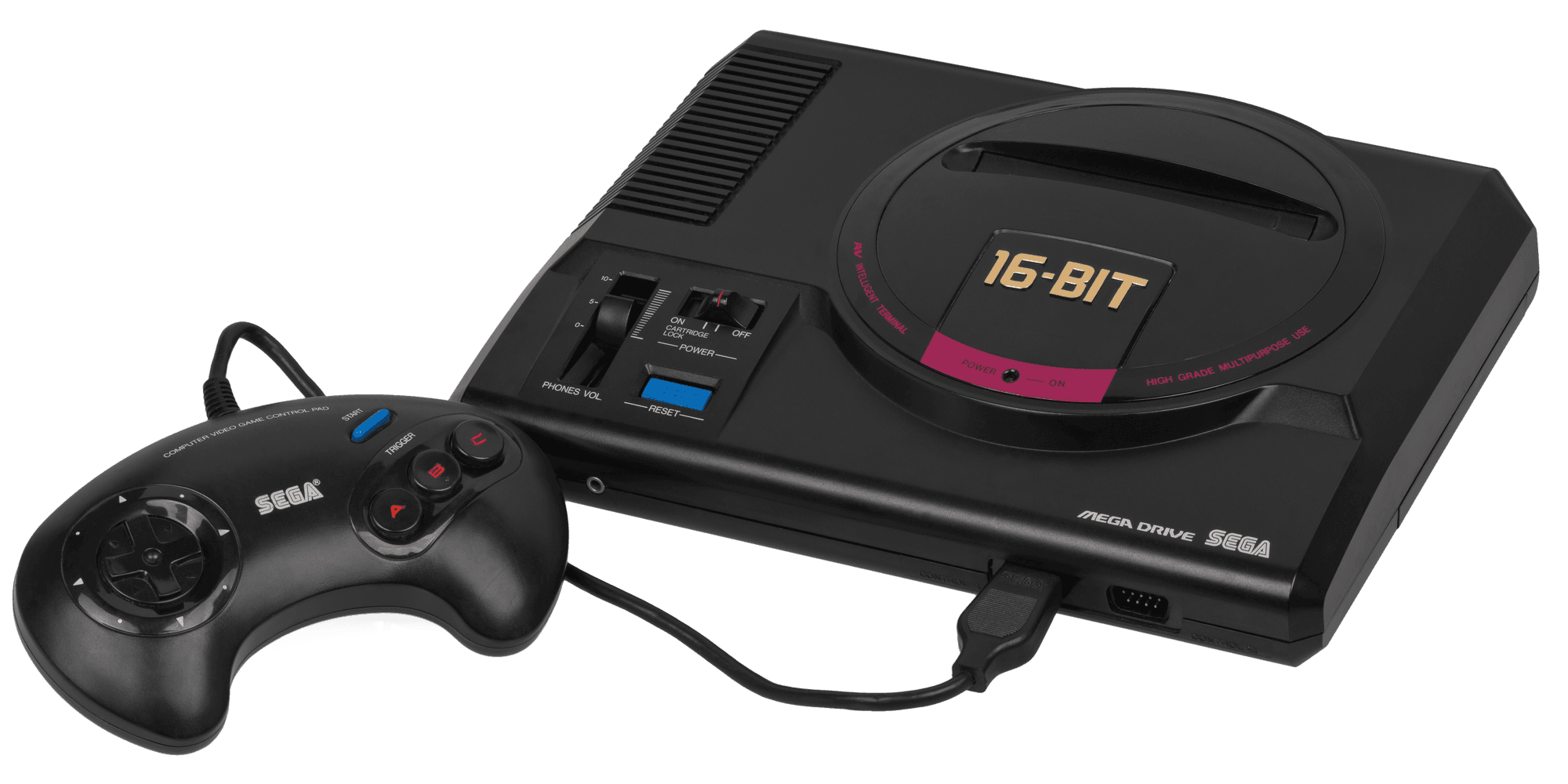
The Mega Drive Is the Smartest Way to Start a Sega Collection
Pick up a PAL copy of Streets of Rage 2 and the case still snaps shut the way it did in 1992. That one detail – Sega shipping games in hard plastic clamshells while Nintendo was still using cardboard – is half the argument for the Mega Drive as your first serious Sega collection. The other half: this was Europe's 16-bit machine, and today's PAL supply reflects it.
Sega won Europe with the Mega Drive in a way it never managed in Japan. For a collector, that dominance means abundance: consoles, loose carts and genuinely complete boxed games surface constantly, no import adapters required, and the entry price for a respectable starter shelf is still friendly.
Model 1 or Model 2? Let your ears decide
Every Mega Drive plays the same carts, but the family isn't uniform. The original Model 1 carries a headphone jack with a physical volume slider on the front, and its earliest board revisions are prized for the cleanest output from the Yamaha YM2612 – the FM synthesis chip behind the console's unmistakable growl. The Model 2 is smaller and usually cheaper, but the audio circuit was cost-reduced and the headphone jack vanished.
Internally they're the same machine: a Motorola 68000 at roughly 7.6 MHz with a Zilog Z80 riding shotgun on sound. For a first console, buy on condition, not revision – the audiophile hole will still be there later.
The Mega-CD (Europe, 1993) and the 32X (1994) are technically part of the family, and yes, the full three-tier tower is a glorious eyesore. Treat them as a separate rabbit hole with its own failure points – Mega-CD drive mechanisms and capacitors need attention after three decades – and don't let either add-on delay your first fifty carts.
The games that keep you here after Sonic
Sonic sells consoles; the rest of the library keeps them plugged in. A boxed Sonic the Hedgehog 2 belongs on the shelf regardless – it's the platform's calling card – but build outward from there:
- Streets of Rage 2 (Sega, 1992) – still the benchmark scrolling brawler, with a Yuzo Koshiro soundtrack that justifies the Model 1's headphone jack all by itself.
- Gunstar Heroes (Treasure, 1993) – the debut from ex-Konami staff, and proof of what the 68000 could do when properly pushed.
- Thunder Force IV (Technosoft, 1992) – the shoot-'em-up that makes the YM2612 sing.
- Castlevania: The New Generation (Konami, 1994) – the PAL name for Bloodlines, a reminder that PAL releases sometimes carry different titles entirely.
- Micro Machines 2: Turbo Tournament (Codemasters, 1994) – shipped on the J-Cart, with two extra controller ports moulded into the cartridge itself. Peak European Mega Drive eccentricity.
Licensed games are usually shovelware on any platform, but the Mega Drive has honourable exceptions – RoboCop Versus The Terminator (Virgin, 1993) is a legitimately good run-and-gun that still turns up cheap. For RPG collectors, Shining Force II and the late PAL release of Phantasy Star IV mark the deep – and expensive – end of the pool.
The clamshell case: Europe's complete-in-box cheat code
Complete-in-box collecting on the NES or SNES means hunting cardboard that spent thirty years being crushed, sun-bleached or binned with the wrapping paper. The Mega Drive doesn't have that problem. Sega's plastic clamshells protected the cart, the inlay and usually the manual, so boxed PAL copies survived in numbers cardboard platforms can only dream of.
That changes what "complete" costs: a clean CIB Mega Drive game is often only a modest step up from a loose cart. It also means you can afford to be picky – hold out for unyellowed cases, sharp inlays and manuals without spine creases. The PAL quirks are part of the charm, too. Contra: Hard Corps became Probotector over here, robot protagonists and all.
The repro trap: inspect the cart before you pay
Now the warning. The Mega Drive's biggest collecting hazard isn't scarcity – it's reproduction cartridges and label swaps, and they cluster exactly where you'd expect: on the expensive carts. Before serious money changes hands, check three things:
- The shell. Original Sega shells have crisp, consistent moulding, mould marks inside and a distinctive plastic texture. Repro shells tend to be glossier or slightly off in colour, with softer edges. A PAL title sitting in a squarer, ridged US Genesis-style shell deserves hard questions.
- The label. Originals were professionally printed: solid colour, sharp text. Zoom in with your phone camera: inkjet dot patterns, oversaturated colours or a label sitting wrong in its recess mean walk away.
- The board. Look through the open cart slot. An original PCB fills the width of the shell with clean gold edge contacts and Sega part numbers printed on the board. A narrow bright-green board, a modern flash chip or contacts that stop short of the edges means repro.
Label swaps are sneakier: a genuine shell and board from a common game wearing a rare game's label. The board check catches most of them, and so does powering it on – if the title screen doesn't match the label, you have your answer. One honest caveat: not every odd cart is fake. Electronic Arts moulded its own taller shells with a yellow release tab, so learn the legitimate exceptions before crying repro.
Here's the hot take: the Mega Drive isn't the budget warm-up before you "graduate" to Saturn or Dreamcast collecting. It's the best-value 16-bit library in PAL territory, sold in cases that were built to survive. Start with one console and ten clamshells you'd actually play – and when the Mega-CD tower starts whispering your name, at least you'll know exactly what you're getting into. So, which cart goes on your shelf first?


