 Back
Back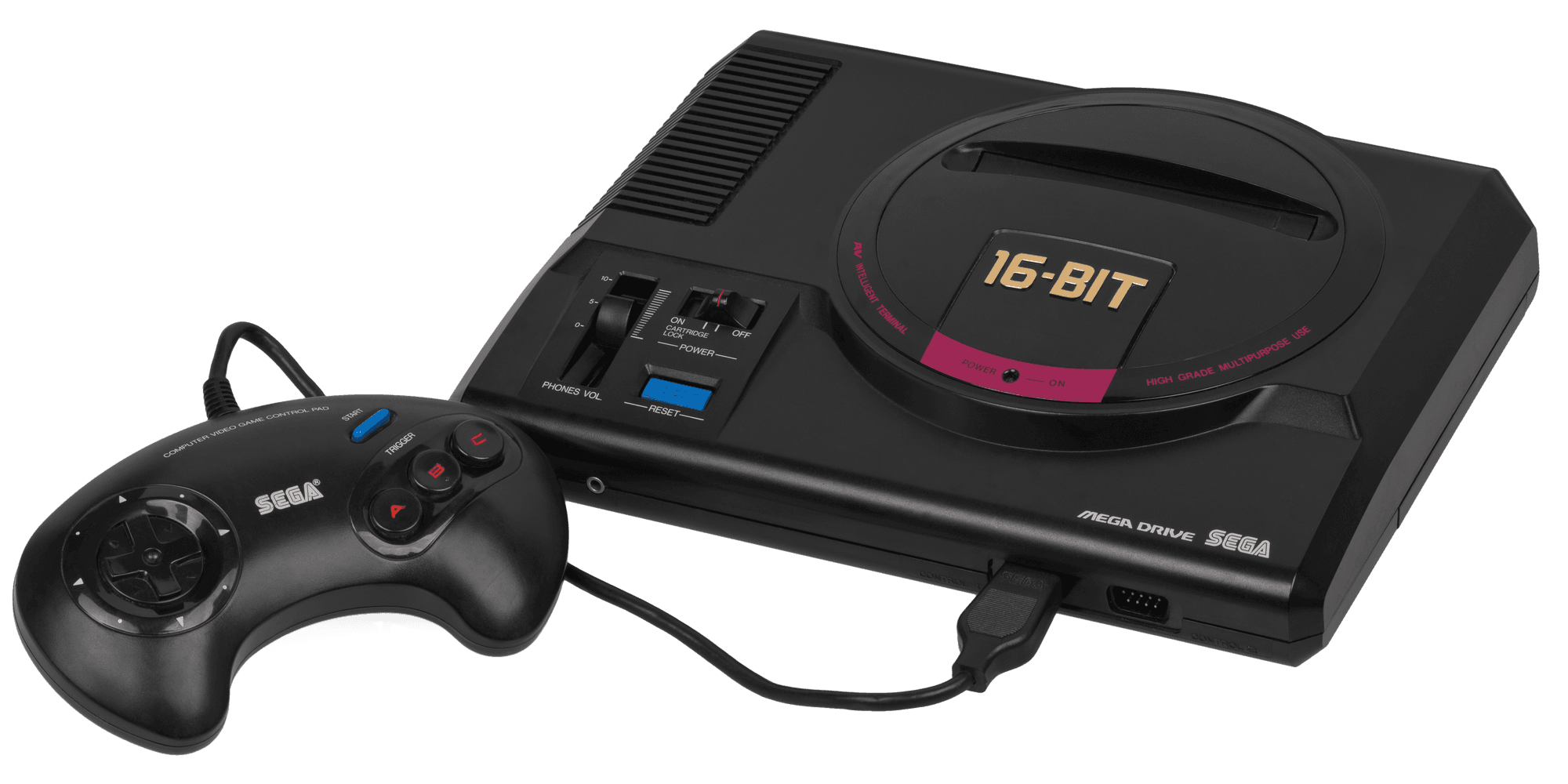
What PAL, NTSC-U and NTSC-J Actually Mean for Collectors
Put a PAL copy of Sonic the Hedgehog 2 next to an American one and press start. The European version runs noticeably slower – music and all – because it was built for a different television standard, not for your convenience. That's region coding in one sentence: the same game on the same silicon, behaving differently depending on which continent's TV signal it was designed to feed.
If you buy retro games across borders, these three-letter codes decide what you can play, how it runs, and what your collection is actually worth. Let's decode them properly.
The three letters that decide how your game runs
PAL, NTSC-U and NTSC-J look like grading jargon, but they're television standards first and marketing labels second. The old broadcast world was split in two, and consoles had to pick a side:
- NTSC-U – North America. 60Hz refresh, roughly 480 visible lines.
- NTSC-J – Japan. Also 60Hz, but a separate region for locking purposes.
- PAL – most of Europe plus Australia. 50Hz refresh, more scanlines per frame.
That 50Hz versus 60Hz gap is the part that still stings. A game timed to 60 updates per second, ported lazily to a 50Hz region, runs about 17% slower – and because early PAL televisions drew more lines, many conversions also got squashed into a letterbox with black borders top and bottom. Some PAL releases were properly re-timed; plenty on the Mega Drive simply weren't. When a European collector hunts down a Japanese or American copy, it's often not import snobbery – it's the only way to play the game at the speed its designers intended.
Why the Mega Drive answers to Genesis in America
Sega launched its 16-bit machine in Japan in 1988 as the Mega Drive, but couldn't secure that name in the United States. So the American console became the Genesis in 1989, and Europe got the Mega Drive branding in 1990. Same Motorola 68000 heart, same games library, two passports.
This is why marketplace listings look contradictory: a Mega Drive console and a Genesis-boxed Sonic the Hedgehog 2 can sit side by side and describe hardware and software from the same family. Neither name is wrong. The name on the box just tells you which region the item shipped to – which, as we'll get to, matters enormously once collecting gets serious.
Region locks, converter carts and the import survival kit
Knowing the codes is half the battle; the other half is the vocabulary you'll meet when you actually try to run an import. The terms worth knowing:
- Region lock – any barrier stopping out-of-region software. Sometimes it's physical: Japanese Mega Drive cartridge shells are shaped differently and won't seat in a European console without help. Sometimes it's code: later Mega Drives shipped with TMSS, a boot check that displays the "Produced by or under licence from Sega" screen and refuses unlicensed carts.
- Converter cart – a pass-through adapter that sits between an import cartridge and your console, dodging the shell shape and, on some systems, the lockout check.
- 50/60Hz switch mod – a hardware modification that lets a PAL console output 60Hz, restoring full speed. A switchless mod does the same via controller combos instead of a drilled hole in the case (collectors of unmodified shells, rejoice).
- Step-down transformer – Japanese hardware expects 100V mains. Always check the power supply before plugging an import into European sockets; the smell of a cooked PSU is not a collectable.
One modern mercy: most current TVs and upscalers happily accept both 50Hz and 60Hz signals, so the old "my TV shows a rolling black-and-white mess" problem has largely retired.
Why a PAL box and an NTSC box will never be interchangeable
Here's where playability and collectability part ways. To a player, a converted import is problem solved. To a collector, region is part of the item's identity – and CIB (complete in box) implicitly means matching box, manual and cartridge from the same region.
The differences run deeper than a logo swap. American Genesis releases, European Mega Drive releases and Japanese versions of the same game frequently carry different cover artwork, different spine layouts, and different manual languages – PAL manuals are often multilingual bricks. A PAL cart dropped into a US Genesis case isn't a complete copy; it's a marriage of parts, and serious buyers price it accordingly. That's why the photos matter on any boxed listing – check that that Genesis copy of RoboCop Versus The Terminator shows a cart, case and art that actually belong together before you commit.
The honest takeaway: regions aren't an obstacle, they're the hobby running in triplicate. Every classic library exists three times over, with different art, different speeds and different scarcity in each territory. Purists will tell you to collect NTSC-J because that's what the developers saw on their monitors. I'd argue the correct region is the one whose box art you stared at as a kid. Which side are you buying for – the version that runs right, or the version that feels right?


