 Back
Back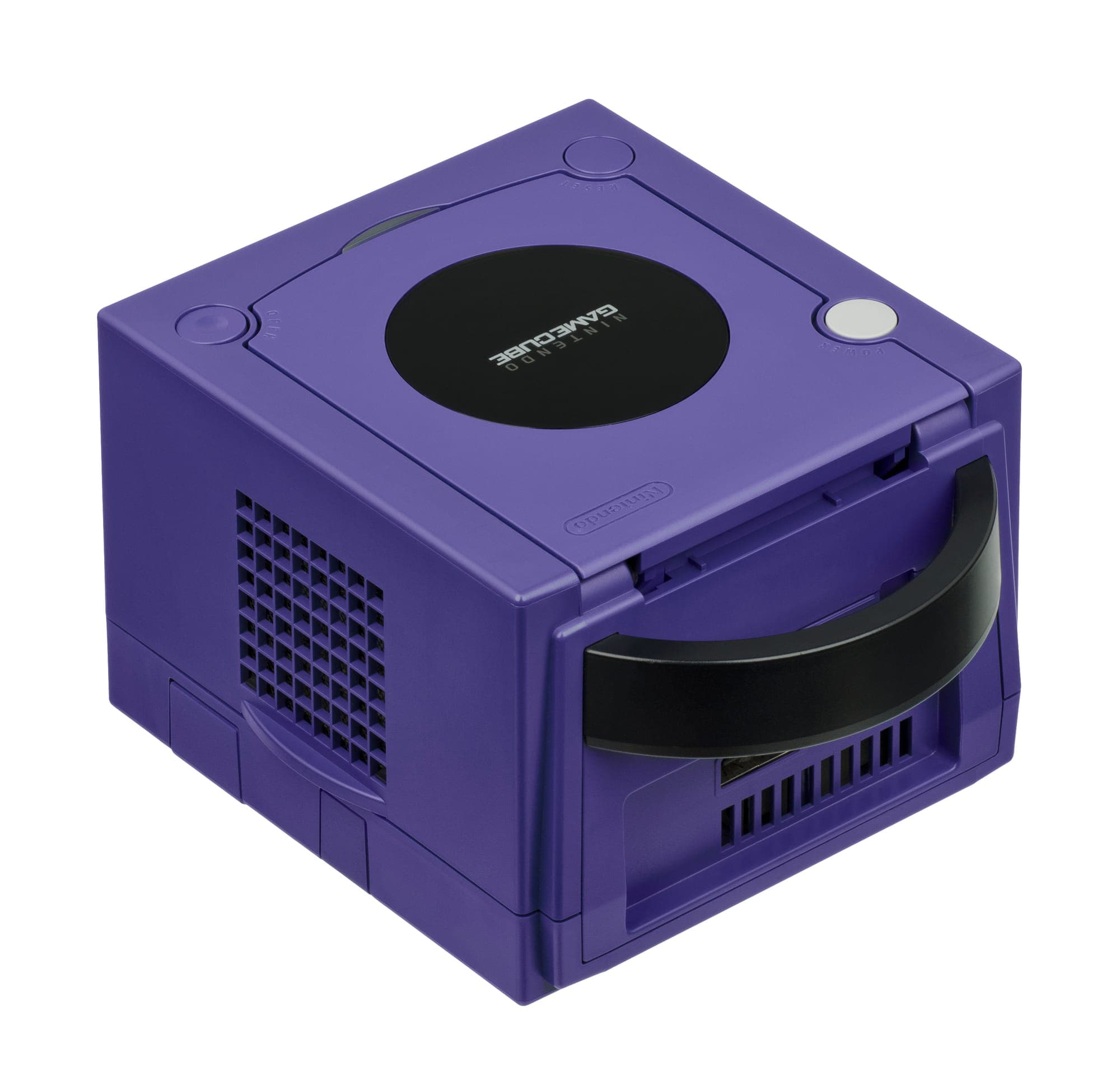
The GameCube Hidden Gems Collectors Quietly Chase
Nobody walks into a retro shop and asks for Cubivore. They ask for Melee, for Wind Waker, for Sunshine – and while they haggle over games everyone already owns, the collectors who know better are scanning the bottom shelf for a case with Shadow Lugia glowering on the front.
The GameCube sold a fraction of what the PlayStation 2 managed, so print runs were lean across the whole catalogue – and for the late, strange, or third-party stuff, sometimes vanishingly small. That's the opportunity. Here are the games worth hunting before everyone else catches on, plus the packaging details that separate a genuinely complete copy from a disc rattling around in a nice-looking box.
The late-era RPGs Nintendo barely told anyone about
Pokémon XD: Gale of Darkness arrived in 2005, at the very end of the GameCube's life, when most of the audience had already wandered off to the Nintendo DS. Genius Sonority's follow-up to 2004's Pokémon Colosseum kept the Shadow Pokémon snagging mechanic and put Shadow Lugia on the cover – some of the best box art Nintendo ever shipped. Console Pokémon RPGs are rare beasts, which is why copies like this Pokémon XD listing tend not to sit around long.
Skies of Arcadia Legends is the other quiet giant. Overworks' sky-pirate RPG was already a cult favourite on the Dreamcast; the GameCube port added new bounty-hunting side content and then sailed straight past almost everyone. Copies never sat in bargain bins, and they've only become harder to find since.
Three more that belong on the list:
- Baten Kaitos Origins (Monolith Soft and tri-Crescendo, 2006) – a North America-only prequel released just before the Wii launched, which is terrible timing for sales and perfect conditions for future scarcity.
- Chibi-Robo! (Skip Ltd.) – you play a four-inch robot doing housework for a struggling family. Late release, modest print run, enormous charm.
- Fire Emblem: Path of Radiance (Intelligent Systems, 2005) – technically first-party, but it was the first console Fire Emblem released in English and Nintendo marketed it like a niche import. Collectors treat it accordingly.
Cubivore, Gotcha Force and the cult of the tiny print run
Cubivore: Survival of the Fittest is the textbook case. Developed by Saru Brunei and brought to North America by Atlus in 2002 – a publisher whose logo on a spine is practically shorthand for small print run – it's a game about eating other cube-shaped animals and mutating into ever stranger forms. It never got a PAL release at all, so European collectors are stuck paying import premiums for an NTSC copy.
Gotcha Force, Capcom's 2003 toy-robot arena brawler, did what commercial flops with devoted fans always do: it quietly became a chase item. Shops didn't reorder it, the players who had it kept it, and that arithmetic never reverses. If you spot a boxed copy at a sane price, don't deliberate.
Player's Choice banner or first print? It genuinely matters
Nintendo reissued its best sellers under the Player's Choice label, and on GameCube the banner is printed straight onto the cover sleeve – there's no sticker to peel off. It's the same game underneath, but collectors pay a real premium for the banner-free original print, and that gap tends to widen as clean boxed copies dry up. Buying to keep? Get the first print. Buying to play? The Player's Choice copy is the sensible move, and the banner is basically a receipt proving the game was loved.
Region matters just as much. PAL boxes carry multilingual back covers, and some titles are meaningfully scarcer in one region than the other. Resident Evil 4 – Capcom's 2005 masterpiece, which launched on GameCube first and spans two discs – is a good test: a proper PAL copy like this Resident Evil 4 listing needs both discs and the manual, not just a handsome case.
What a genuinely complete GameCube case includes
"CIB" gets thrown around loosely. On GameCube, complete actually means:
- The case with its original artwork sleeve – check the spine for sun-fading, the classic shelf injury.
- Every disc. Multi-disc games like Resident Evil 4 aren't complete with one, however good the case looks.
- The manual – the single most commonly missing piece, which is why European sellers proudly write "inkl. manual" right in the listing title.
- Region-specific inserts: North American copies often shipped with Nintendo Power pamphlets, while PAL first-party games frequently included points cards for Nintendo's European loyalty club.
Hardware has its own trap. The Game Boy Player (model DOL-017) bolts onto the port underneath the console and plays Game Boy Advance carts on your TV – but it's dead weight without the Start-up Disc, which is far rarer than the unit itself because discs got separated and hardware didn't. A listing that includes both, like this Game Boy Player, is the one you actually want.
The GameCube library rewards people who ignore the obvious. Melee will still be behind the glass next year; Cubivore might not be. So here's the hot take: a Player's Choice banner is nothing to be ashamed of – a missing manual is. Which GameCube sleeper are you still hunting, and would you actually admit it out loud?


