 Back
Back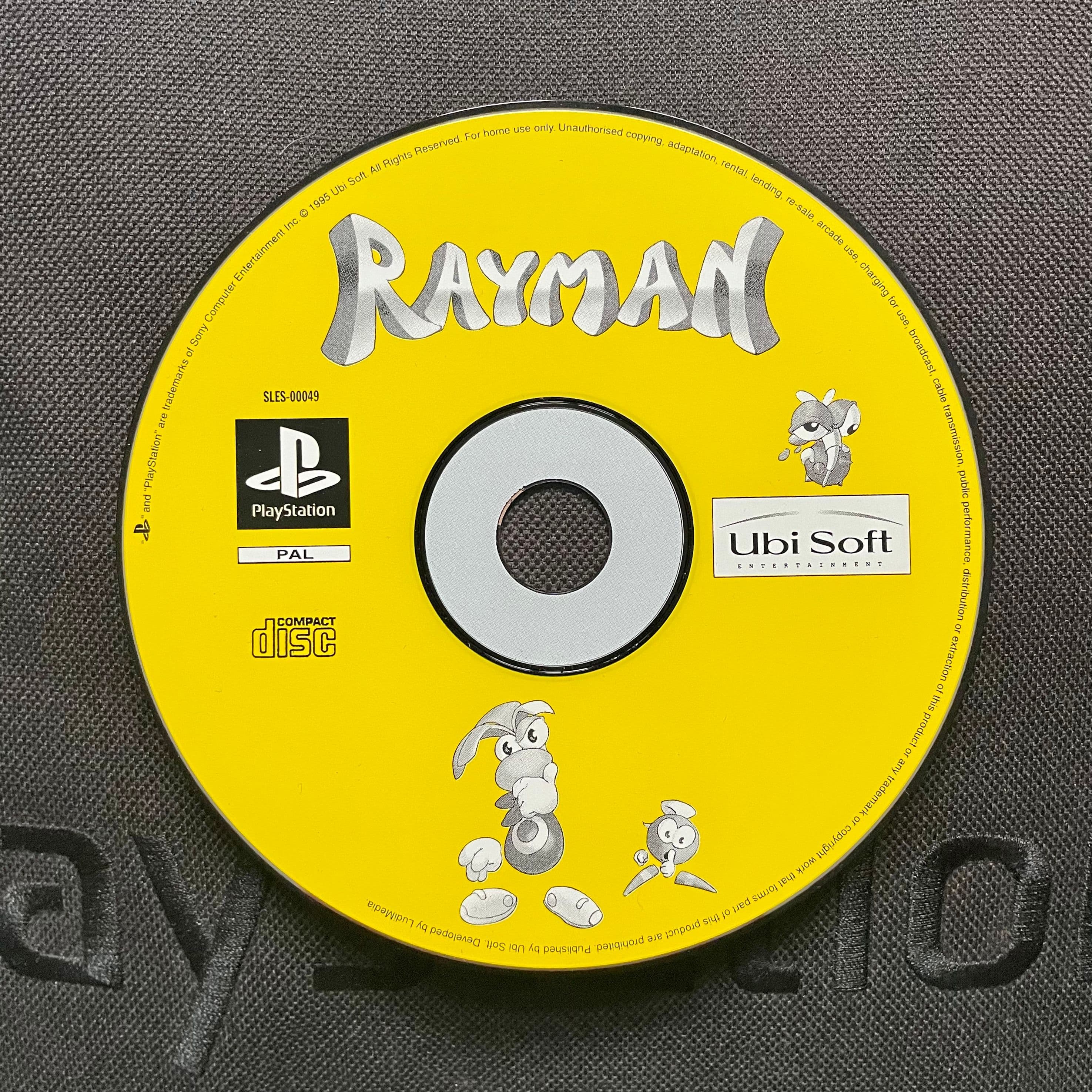
What CIB, Loose and Sealed Really Mean on a Game Listing
Set two copies of Rayman for the original PlayStation side by side. The early North American printing lives in a tall cardboard long box, roughly the proportions of a VHS tape. The PAL copy sits in a standard CD jewel case. Both sellers can honestly describe theirs as “complete” – and they'd be promising you entirely different stacks of cardboard and paper.
That's the trouble with collector shorthand. CIB, loose, sealed, NIB – the words sound precise, but what they actually cover shifts with platform, region and era. Here's how to read them like someone who's been burned once already.
The five words, and what they're supposed to promise
- Loose – the disc or cartridge only. No box, no manual, no apologies. For older games this is the default state of the hobby; decades of childhood bedrooms saw to that.
- CIB (Complete In Box) – game, original box or case, manual, plus whatever paper shipped inside. The strict reading counts every insert; the casual reading is “box and manual, probably”.
- Complete – usually a synonym for CIB, but softer and slipperier. It's the word doing the most unsupervised work in listings.
- Sealed – still in the factory shrink-wrap, never opened. It says nothing about shelf wear, sun fading or crushed corners underneath the plastic.
- NIB (New In Box) – mostly a hardware term. Sometimes it means sealed; sometimes it means opened once, contents never used. Those are very different things, and sellers rarely say which.
And notice what none of these words address: condition. A CIB copy can have a water-stained manual and a cracked case and still be CIB. Contents and condition are separate questions, and a trustworthy listing answers both.
Why a “complete” Rayman means two different boxes
When the PlayStation launched in North America in 1995, Sony shipped games in cardboard long boxes – Ridge Racer, Battle Arena Toshinden and Rayman among them. Within about a year the region switched to standard jewel cases, and the long box quietly died.
That split changes what “complete” means. For an early NTSC-U title it's the cardboard shell, the inner disc tray, the manual and usually a registration card. For the PAL version of the same game it's a jewel case with its front booklet and back inlay – the cardboard never existed. Japanese copies add another wrinkle: many shipped with a spine card, the obi, which most original owners binned within a week and which purists absolutely count.
Multi-disc PAL releases like Final Fantasy VII shipped in fat multi-disc cases, so a complete copy means every disc in its slot plus the booklet. The pattern holds across the whole hobby: complete is defined by what the factory packed for that region and that printing, not by what the word suggests.
The manual died, and “complete” changed with it
Fast-forward a generation and the goalposts move again. PS2 games in DVD keep cases still had manuals; across the PS3 era printed manuals thinned out and then largely vanished. That means a late PS3 or a PS5 disc release with nothing inside the case but the disc can be genuinely, factory-accurate complete. A missing manual isn't automatically a red flag anymore – you have to know whether one ever existed.
Special editions push the other way. Demon's Souls on PS3 had a North American Deluxe Edition from Atlus that bundled an art-and-strategy book – complete for that printing includes the extras, not just the case. And hardware stretches the word furthest of all: for a console like the Metal Gear Solid 4 Limited Edition PS3 in Gun Metal Grey (model CECHH01MG), CIB properly means the outer box, the inner cardboard, every cable, the matching controller and the paperwork. A console dropped bare into a tatty box is boxed, not complete.
Listing phrases that deserve a follow-up message
None of this means sellers are lying – most are using the words loosely, not maliciously. But some phrases should trigger a question before you commit:
- “Complete”, photographed from the front only – ask to see the manual and the back inlay.
- “CIB” on a launch-era NTSC-U PS1 game pictured in a jewel case – that's a later printing or a re-case, not the long box.
- “Sealed” with no close-up of the seam – shrink-wrap machines are not rare. Ask why the seller believes it's factory wrap.
- “New” without “sealed” – the classic NIB ambiguity. Opened or not?
- “Complete, no manual” – that's a contradiction. The honest word is “boxed”.
- A “boxed” console with no contents list – ask specifically about cables, controller and inner packaging.
Treat the four-letter codes as opening bids, not guarantees. A good seller itemises – disc, case, manual, inserts, reg card – and one photo of everything laid out flat is worth more than any acronym. And if you've ever received a jewel-case copy sold as a long box, you already know why the follow-up question is never rude.


