 Back
Back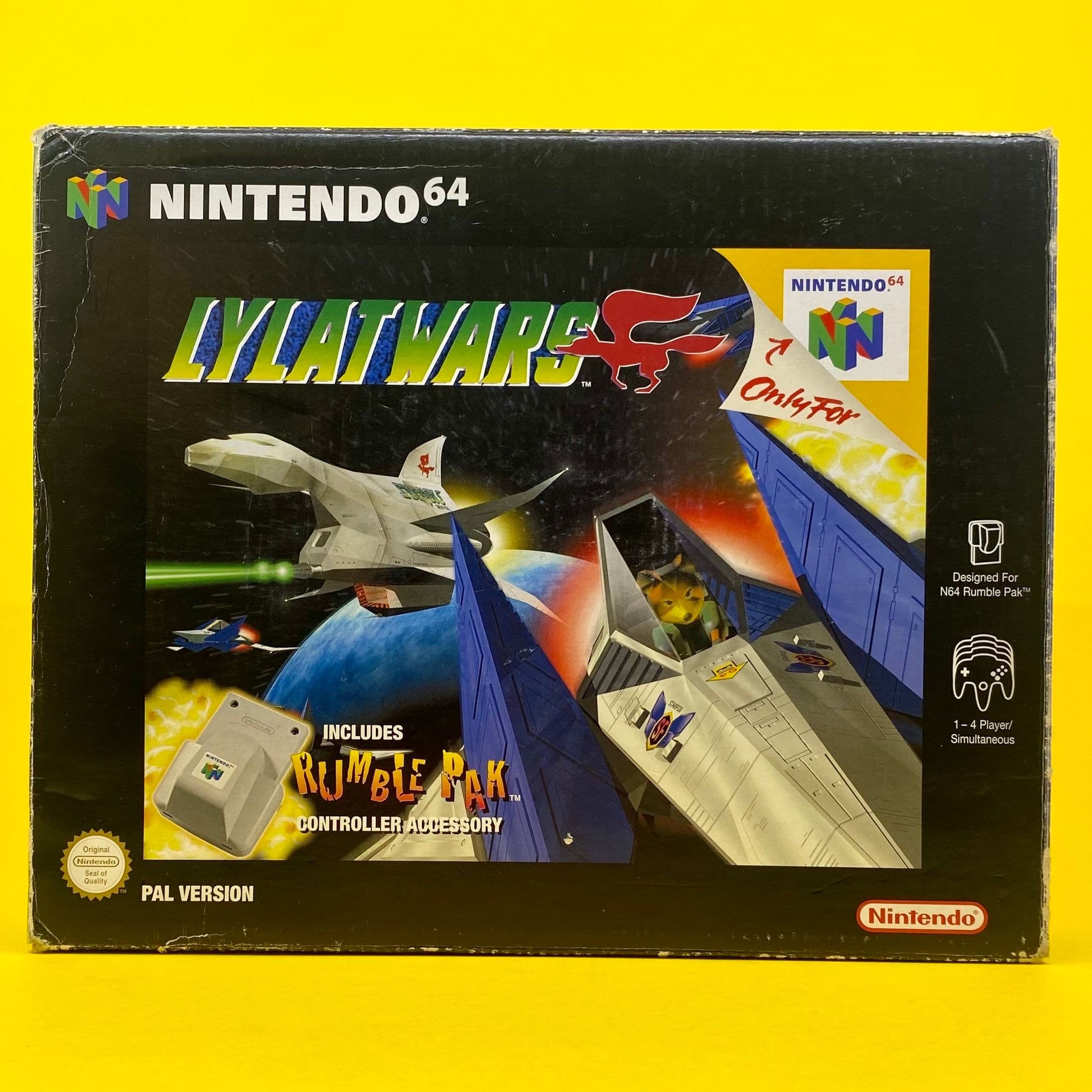
How to Start Collecting Nintendo Without Losing Your Mind
Try to destroy a loose N64 cartridge. Short of power tools, you'll struggle – Nintendo moulded that grey plastic like it fully expected the thing to be hurled down a staircase, which, in the average 1997 living room, it was. Now look at the cardboard box the cartridge originally came in. Three decades of attic damp, price stickers and enthusiastic children have made surviving boxes the real prize. That tension – indestructible game, fragile packaging – is the whole story of Nintendo collecting.
Why the box often costs more than the game inside it
Nintendo collecting orbits two things. The first is first-party classics – the Mario, Zelda, Metroid and Donkey Kong titles Nintendo built itself, which anchor every console's library and hold demand better than almost any third-party release. The second is condition. A loose cartridge is the entry ticket; add the manual and you're doing better; add the original box, inserts and tray and you've hit complete-in-box (CIB), the tier serious collectors actually chase.
From the NES in 1985 through the N64, games shipped in cardboard, and cardboard loses. Boxes got binned, crushed, or improved with a name in permanent marker. That's why a CIB copy of even a common title trades far above its loose price, and why a listing like this Lylat Wars (N64, PAL, CIB) – that's Star Fox 64 under its PAL-region name, box and all – is a different animal from the bare cart. The GameCube and Wii ended the cardboard era with plastic keep cases, which is exactly why their complete copies are so much easier to find.
Start where the plastic cases live: GameCube, Wii and the handhelds
If you want a gentle on-ramp, the disc era is it. The GameCube launched in 2001 with 8cm mini discs in proper cases, so complete copies are the norm rather than the exception, and the hardware itself is famously sturdy. The Wii sold in enormous numbers, which keeps common games and consoles cheap – and early Wii models play GameCube discs natively, so one machine covers two libraries while you decide what you actually love.
Handhelds are the other friendly door. The original Game Boy (the 1989 DMG-01) runs on cartridges so tough they've become legend, though watch for one silent killer: battery-backed saves. The internal battery in carts like Pokémon Red and Blue eventually dies, taking the save file with it – replaceable, but factor it in. The DS family became the best-selling dedicated handheld line ever, which means bundles like a Nintendo 3DS XL with 6 games still surface constantly and make a genuinely cheap first shelf.
N64 is the sweet spot – boxed NES and SNES are the deep end
The N64 sits beautifully in the middle. Its library is compact, the first-party hit rate is absurd – Super Mario 64, Ocarina of Time, Mario Kart 64 – and Rare's run on the console (GoldenEye 007, Banjo-Kazooie, Diddy Kong Racing) gives you a second lane of essentials. Loose carts for most titles remain reachable; the price climbs when the cardboard enters the picture. One PAL warning: many European releases ran slower at 50Hz, so decide early whether you're a PAL or NTSC collector and stay consistent.
NES and SNES are where budgets go to be humbled. Loose common carts are cheap and plentiful, but boxed copies of the good stuff are not, and the true grails get silly – EarthBound on SNES shipped in an oversized box with a bundled player's guide, and finding one complete is a genuine event. The upside of the SNES specifically: the games hold up. F-Zero and Super Mario Kart's Mode 7 scaling still reads as clever rather than dated.
Pick one lane – Nintendo will happily take everything you own
The collectors who burn out are the ones chasing five consoles at once. Nintendo's catalogue spans over forty years of hardware; nobody completes it, and nobody needs to. Pick a lane with a visible finish line:
- One console, one region – every first-party N64 PAL release, for example, is a bounded, achievable set.
- One series across everything – every mainline Zelda from the gold NES cartridge to Skyward Sword on Wii tells a story a shelf of random carts never will.
- One handheld line – Game Boy through GBA rewards small budgets and small shelves alike.
Here's the mildly spicy take: loose-cart collecting is playing on easy mode, and that's fine – but the moment you buy your first CIB copy, you'll understand why the box people are the way they are. The cardboard you rescue today is the grail someone begs you for in ten years. So: which lane is it going to be?


