 Back
Back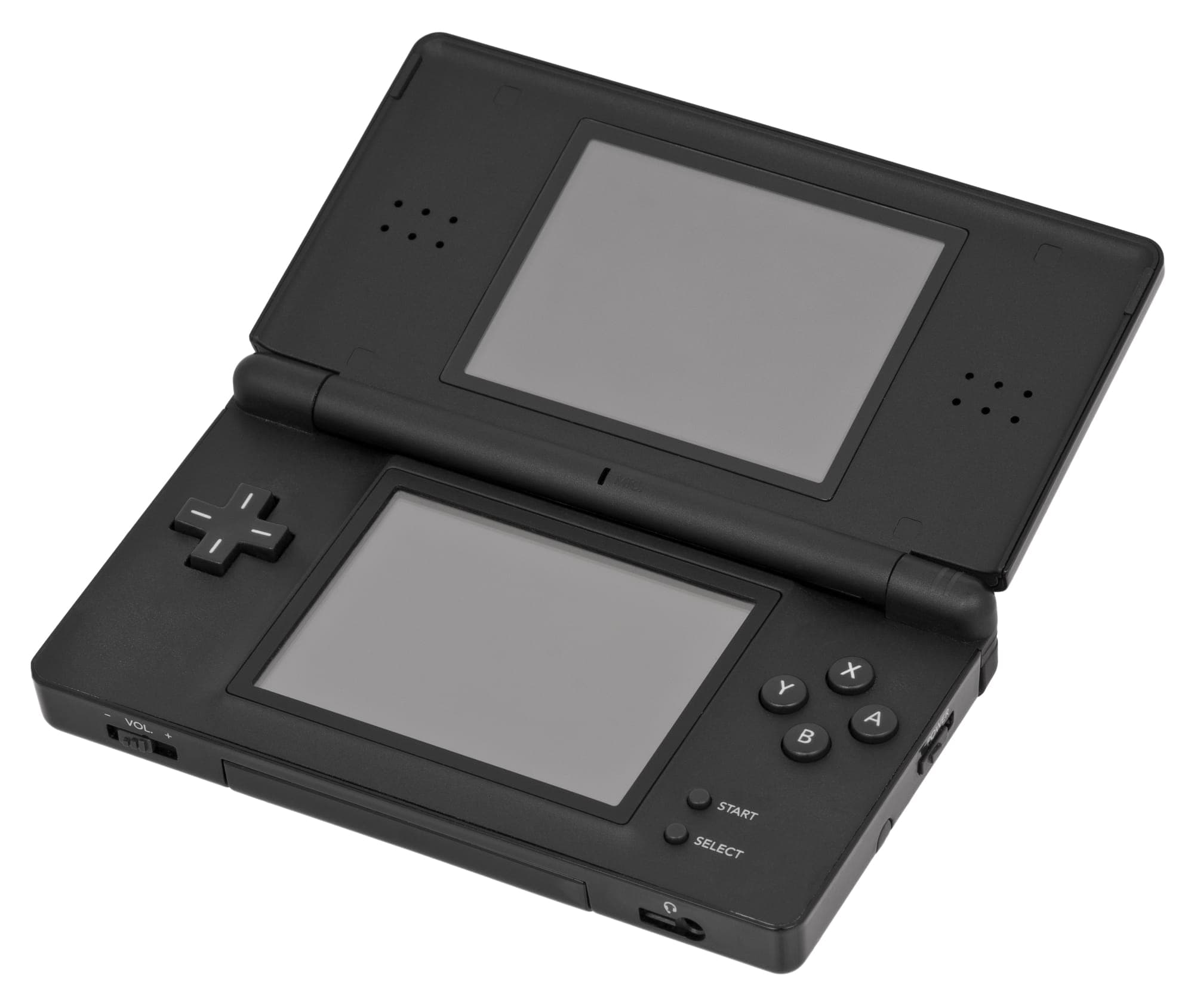
The Nintendo DS Is the Sleeper Library Hiding in Plain Sight
Every flea market has a shoebox of loose Nintendo DS carts priced like chewing gum, and somewhere in that box there's usually one cart worth more than everything else on the table. That's the DS in miniature: one of the biggest handheld libraries ever assembled, with genuinely scarce games sitting shoulder to shoulder with landfill – and almost nothing on the label to tell you which is which.
Why the biggest library of its era is also the least sorted
The DS was one of the best-selling systems ever made, and publishers responded by shipping absolutely everything. Ubisoft's Imagine line alone accounts for a small mountain of identical pink cases, and licensed tie-ins arrived by the pallet. That flood is why the whole library still gets dismissed as shovelware – and it's exactly why the good stuff remains underhunted.
The pattern worth learning: the closer a game shipped to the 3DS handover, the smaller its print run tends to be. Ghost Trick: Phantom Detective (Capcom, 2010), Solatorobo: Red the Hunter (CyberConnect2, 2011) and Pokémon Conquest (2012) all landed while shops were clearing DS shelves for the successor. Regional quirks sharpen the hunt further – Cing's Last Window: The Secret of Cape West (2010) never released in North America at all, which makes PAL copies a real target. Even late licensed games like Dragon Ball Origins 2 (Game Republic, 2010) surface far less often than the franchise name would suggest.
Below that sits the sleeper tier: mid-catalogue oddities like Super Princess Peach and Capcom's Mega Man Star Force series – games that sold respectably, then got played into the ground. Loose carts are everywhere; clean, complete copies are the actual chase.
Hinges crack, shells scuff: checking all three models
DS hardware is still plentiful, so let condition do the filtering. Each model fails in its own signature way:
- Original DS (NTR-001, 2004) – the "phat" is built like a brick, but its silver shell scuffs badly and the hinge loosens over time. Check both screens for dead pixels, and confirm the Game Boy Advance slot underneath actually reads carts.
- DS Lite (USG-001, 2006) – the notorious one. Hunt for a hairline crack in the shell right at the hinge; it starts cosmetic and ends with a top screen that flops. Glossy white units yellow with UV exposure, and tired shoulder buttons need a double-press to register.
- DSi (TWL-001, 2008) – the matte finish wears shiny at the edges and corners. Test both cameras and the SD card slot, and remember it dropped the GBA slot entirely. The DSi Shop is long closed, so treat any installed DSiWare as a nice bonus, never a feature you're paying for.
On all three, drag the stylus across the touchscreen in the calibration screen. Deep scratches or drifting input is the line between a player's unit and a collector's one.
What "complete" actually means for a DS game
Good news first: standard DS releases shipped in plastic keep cases, so unlike the cardboard-box generations before it, the case usually survives. The paper inside didn't. A genuinely complete copy means the manual – PAL manuals are often chunky multi-language bricks – plus the health-and-safety leaflet and whatever points-card inserts the region included. A cart clipped into an empty case isn't CIB, whatever the listing claims.
The flimsy-cardboard warning applies exactly where it hurts most: special editions. Big-box releases like Pokémon SoulSilver with its Pokéwalker came in thin printed card, and crushed corners or sun-fade will quietly gut a copy's desirability. Ask for photos of every corner and the inner tray – an unused Pokéwalker still seated in that tray is a different class of item from one that's logged ten thousand steps on a keyring.
Counterfeits go where the demand is
Nobody bothers faking pony-grooming shovelware. Counterfeit DS carts cluster around exactly the games people search for – Pokémon above all, with Mario and Zelda close behind. Four checks before you pay big-name money:
- The moulded text. Genuine standard carts carry crisp "NTR-005" text moulded into the back of the shell. Mushy, shallow or missing moulding is your first red flag.
- The label. Compare font weight, colour saturation and print sharpness against photos of a verified copy. Fakes tend to be slightly blurry, slightly off-colour, or both.
- The behaviour. Counterfeits routinely fail to hold saves and choke on connectivity features. A SoulSilver cart that won't sync with a Pokéwalker isn't a haggling opportunity – it's a fake. Walk.
- The context. A pristine copy of a heavily-faked title from a seller with no history deserves exactly the suspicion you'd give it anywhere else.
Here's the takeaway, and it's slightly heretical: the DS is the last enormous Nintendo library you can still sort by hand, cheaply, before consensus hardens around what's rare. The shovelware subsidises the search – every box of chewing-gum-priced carts is a lottery where the losing tickets cost pocket change. So: what's the best cart you've ever pulled out of the shoebox?


