 Back
Back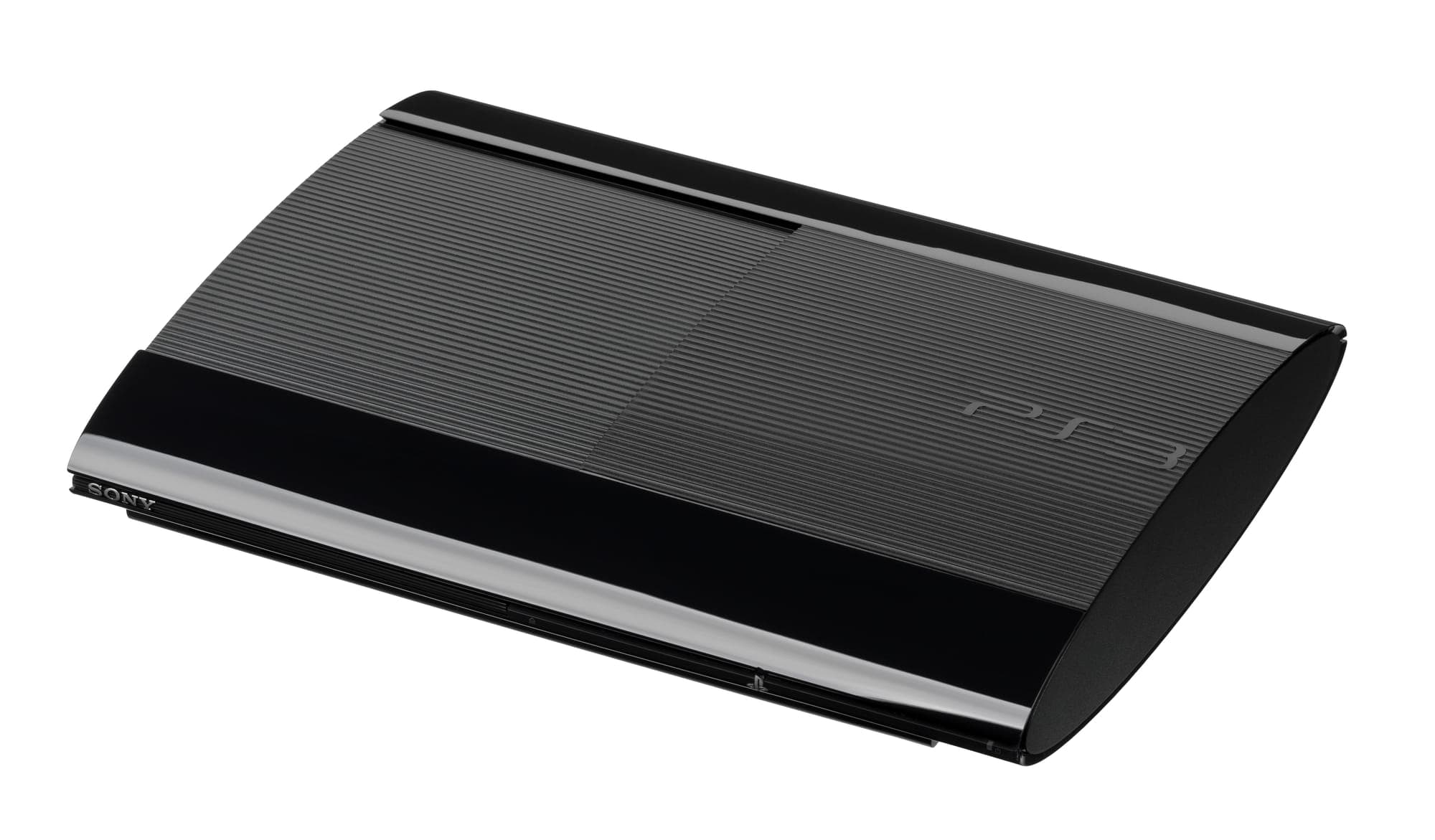
Why PS3 Collectors Check the Model Number First
Flip a fat PS3 over and read the sticker before you even glance at the disc tray. Those five characters – CECHA, CECHB, CECHC – decide what your library even is, because the PS3 is the rare console where the hardware revision matters more than most of the games it plays.
Why collectors read stickers, not spec sheets
The Japanese and North American launch units – the 60GB CECHA and 20GB CECHB from November 2006 – carry actual PlayStation 2 silicon on the board: the Emotion Engine CPU and Graphics Synthesizer sitting alongside the Cell. That's full hardware backward compatibility. One console plays three generations of PlayStation discs, and it's why these two models sit at the top of every serious want list.
Europe never got that machine. The PAL launch 60GB (CECHC, March 2007) dropped the Emotion Engine and emulated it in software – decent but imperfect PS2 support. North America's later 80GB CECHE used the same half-measure, and the 40GB CECHH of late 2007 deleted PS2 playback entirely. That's why PAL collectors quietly import: a Japanese launch unit like this CECHB00 is the real thing, PS2 chips and all. And if one's advertised with a bigger drive than the original 20GB, someone simply swapped in a larger disk – more on that below.
The model code cuts through marketing, too. Even the handsome Metal Gear Solid 4 Gun Metal Grey limited edition is a CECHH01MG underneath – a 40GB machine with no PS2 compatibility. You're buying the shell and the story, which is a perfectly good reason to buy it. Just know which of the two you're paying for.
The Cell kept its best games hostage
The Cell Broadband Engine – the joint IBM, Sony and Toshiba gamble – packs eight SPE co-processors onto the die, six of them available to games. Studios that learned to feed those SPEs built things that never escaped the platform, which makes this library unusually sticky.
Metal Gear Solid 4: Guns of the Patriots (Kojima Productions, 2008) has never been ported to another console – the PS3 is still the only place to play it natively. FromSoftware's Demon's Souls (2009) got a lavish remake, but the original – the fog-drenched Boletaria that invented the formula – exists only here, and with its original servers long gone, every playthrough is now a solo pilgrimage. Add Killzone 2's Cell-flexing battlefield chaos and oddities like Folklore, and you have a shelf of games that simply doesn't travel.
Slims fixed the machine and gutted the mystique
The September 2009 slim (CECH-2000 series) is the sensible PS3: cooler, quieter, lighter on power, and dramatically more reliable. It also completed the retreat the fat revisions had started – no PS2 compatibility of any kind, and no OtherOS Linux support, a feature Sony had already stripped from older consoles with firmware 3.21 in 2010.
The 2012 super slim (CECH-4000) with its sliding top-loading cover feels like Tupperware and basically refuses to die. So the calculus is honest: buying to play? Get a slim and spend the difference on games. Building the platform's whole story on one shelf? You want a CECHA or CECHB – the most ambitious, least reliable PlayStation hardware Sony ever shipped.
Three traps that still catch PS3 buyers
Every secondhand PS3 deserves the same three questions, in this order:
- Yellow Light of Death. Launch fats run hot, and the classic failure is a yellow flash followed by a blinking red light. The repair scene has largely moved past "bad solder, just reflow it" – degraded NEC/Tokin capacitors under the heatsink are now the prime suspect, and a heat-gun reflow is a temporary stay of execution, not a fix. Ask sellers directly: has it ever shown the yellow light? Was it reflowed, reballed, or were the capacitors actually replaced? "Refurbished" with no specifics is a question, not an answer.
- Swapped hard drives. The PS3 uses a standard user-replaceable 2.5-inch SATA drive, so storage size identifies nothing. A "launch model with 500GB" simply has an aftermarket disk – harmless, arguably an upgrade. The trap is treating gigabytes as a model identifier, which listings do constantly. The CECH code on the back panel is the truth; the drive is a footnote.
- "Complete" editions with dead paper. DLC vouchers and online passes from the era expired long ago, and plenty of PS3 games gated content or multiplayer behind exactly those slips. That crisp code sheet inside a minty case is decoration. Value complete-in-box copies for the physical contents – manual, inserts, disc condition – and favour game-of-the-year editions that put the bonus content on the disc itself.
Here's the uncomfortable truth of PS3 collecting: the machine most worth owning is the one most likely to die on you. Buy the backward-compatible fat anyway – just budget for a capacitor job the way classic-car people budget for gaskets. Hardware purist or slim pragmatist: which shelf are you building?


