 Back
Back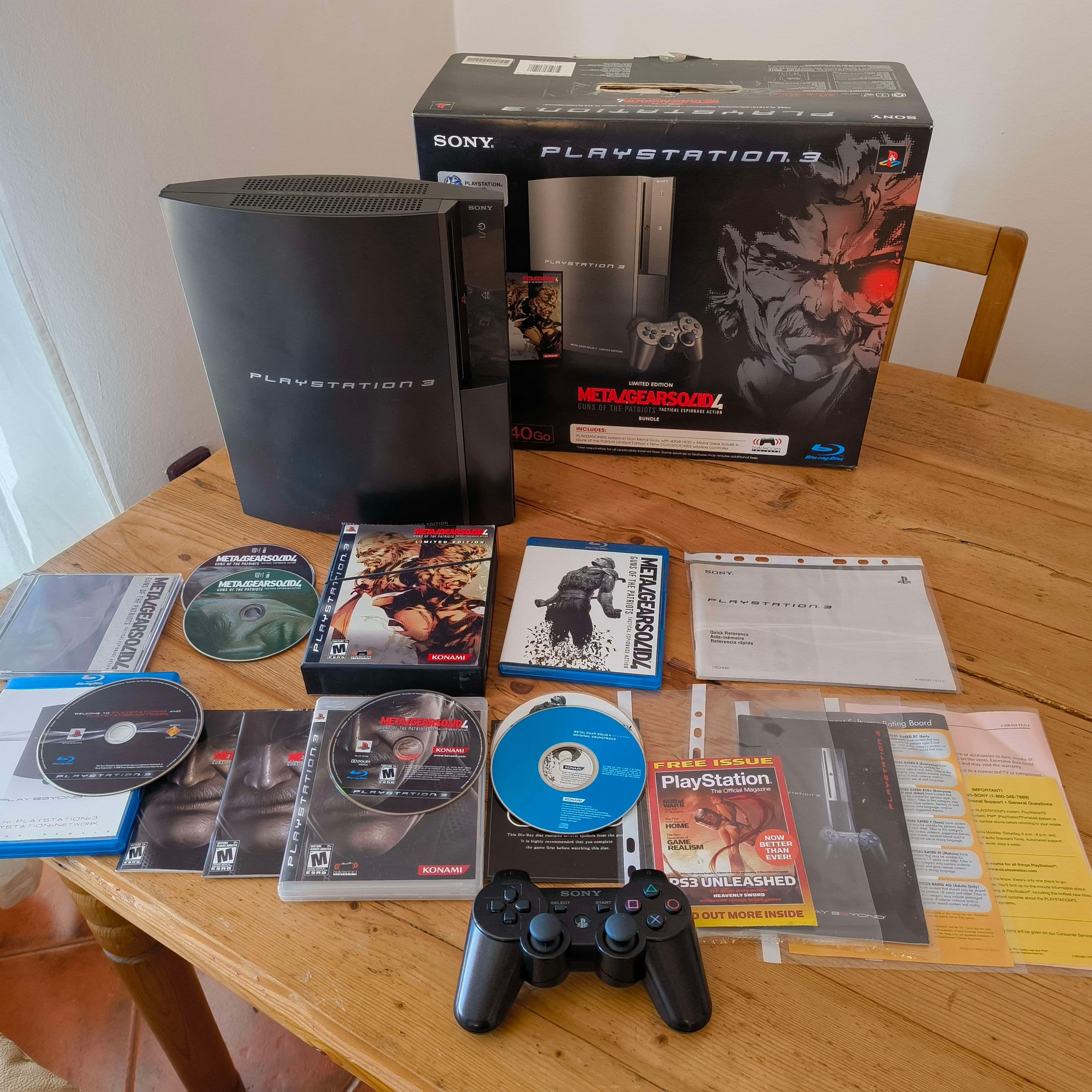
Collecting PlayStation from Jewel Cases to Blu-ray
Flip a PlayStation disc over and look at the colour. If the underside is black, you're holding one of the era's best details: Sony pressed PS1 discs on black-tinted polycarbonate, and that quirk is still the quickest authenticity check in the hobby. Bootlegs burned to silver CD-Rs give themselves away instantly.
It's also lesson one in PlayStation collecting: the details carry the value. Five generations sit under one logo – the 1994 original, the record-breaking PS2, the PS3, plus the PSP and Vita handhelds – and each one collects differently. Here's where to start, what the community actually inspects, and where patience pays.
Black label or it didn't happen
PlayStation collecting revolves around pressings. The first print run – the black label – is the collectible one. Budget reprints followed once a game sold well: Platinum in PAL territories, Greatest Hits in North America (green banding on PS1, red on PS2), and 'The Best' in Japan.
The disc inside is usually identical, and reprints are a perfectly good way to actually play these games. But the community reads a shelf of Platinum spines very differently from a row of black labels, and the price gap on desirable titles reflects it. A few reprints even carry revised code with bug fixes – its own strange rabbit hole once you start comparing serial numbers.
Manuals and cases are the real battleground
Western PS1 games shipped in chunky double-width jewel cases, and they're miserable survivors: hinges snap, teeth crack, rear inlays get stained under the disc tray. That makes complete-in-box – case, manual, inlays – the true test of a PS1 copy, and the manual is almost always the hardest piece to find clean.
When a serious collector picks up your copy, this is the inspection:
- Original front and rear inlays, not reprints
- A manual free of creases, writing and rental stickers
- Registration cards and demo discs, where the release included them
- For Japanese imports, the spine card (obi) – bin it and you've halved the appeal
None of this requires rare games. A PAL copy of Rayman (Ubisoft, 1995) is common, but one with an intact hinge and a crisp manual takes real hunting. On PS1, condition is the rarity.
Disc care changes with every generation
PS1 discs are CDs, and CDs keep their data layer just beneath the label. Bottom scratches can be professionally resurfaced; label-side damage is permanent. Store them clipped into their cases, never in binder sleeves that press on the top face.
The PS2 moved most games to DVD, where the data sits sandwiched in the middle of the disc – far more forgiving. The catch: plenty of early and budget PS2 titles shipped on blue-bottomed CDs, which scratch like any other CD. PS3 Blu-rays wear a hard scratch-resistant coating and are the toughest discs Sony ever shipped, while PSP UMDs live inside a protective shell that unfortunately cracks more readily than the disc it guards.
Where to start, and where to be patient
The PS2 is the friendliest doorway in all of game collecting. It's one of the best-selling consoles in history with a catalogue to match, and that sheer volume keeps common titles cheap while the weird late-life releases quietly climb. You can build a satisfying shelf for pocket money and learn to grade condition without expensive mistakes.
The PS3 is the sleeper pick: its games are almost entirely region-free, the discs are tough, and its exclusives aged beautifully – Demon's Souls (FromSoftware, 2009) went from cult import curiosity to the cornerstone of an entire genre. The hardware side rewards attention too: limited editions like the Gun Metal Grey Metal Gear Solid 4 console (CECHH01MG) from 2008 sit exactly where collectors like things – official, distinctive, never reprinted.
PS1 black-label CIB collecting is the patience game: buy condition, not speed. The Vita is patience squared – a small physical library and those proprietary memory cards mean you're collecting against scarcity from day one.
Here's the part newcomers miss: the community doesn't score collections by size. A tight shelf of honest, complete copies you actually play earns more respect than a wall of sealed black labels bought as furniture. So start with the era you loved – and if that means Platinum reprints of the games you rented in 1999, own it proudly. Which generation's shelf are you building first?


