 Back
Back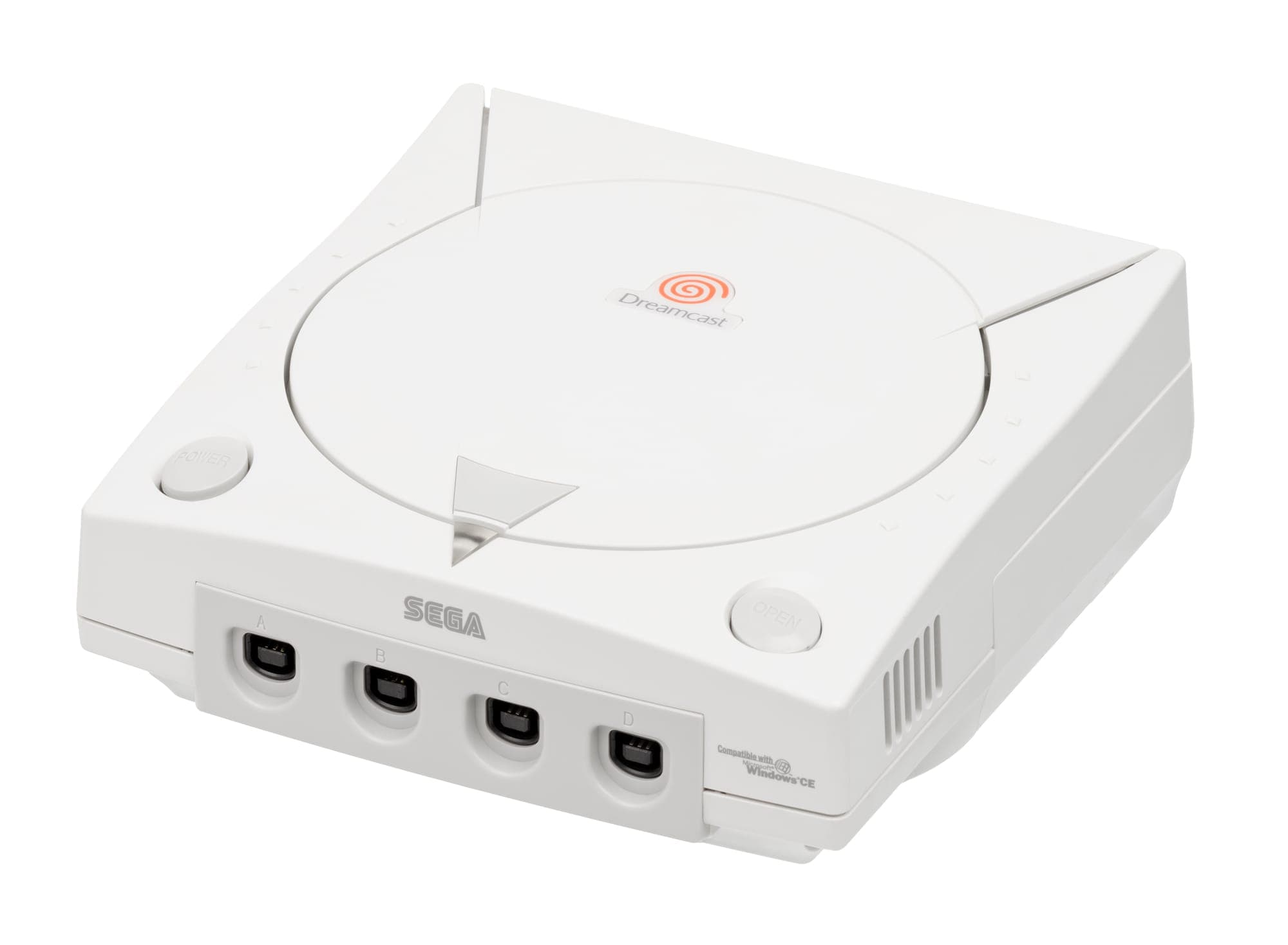
What Actually Drives Dreamcast Prices in 2024
Pull a Dreamcast out of a loft box and the first thing you should check isn't the console – it's the VMU still clipped into the controller and whether the little rubber flaps on the back ports are intact. Those tiny details are the difference between a tenner and a proper collector price. Sega's last console (launched 1998 in Japan, 1999 in the West as the model HKT-3000 series) has quietly become one of the more interesting retro markets, and the values move in ways that catch casual sellers out.
Why complete-in-box is where the real money hides
Loose consoles turn up constantly, so a bare unit with a mismatched controller and no cables sits at the bottom of the market. The premium climbs steeply the closer you get to a genuine CIB setup – original box, foam inserts, the styrofoam that almost never survives, both manuals, the RF/AV lead, and a matching-serial controller.
Games follow the same logic, only harder. A Dreamcast disc in a cracked case with no rear insert is worth a fraction of the same title complete. What people forget:
- The spine card and rear artwork are the first casualties and the most missed by graders.
- Manuals for PAL releases are often bilingual booklets – missing pages tank the value.
- The clear disc-holder tray inside cracks easily; a broken hub is a common quiet deduction.
Sealed copies are their own universe. Once a Dreamcast game is graded and sealed by VGA or Wata, you're no longer buying a game – you're buying a scarcity bet, and the price reflects the grade far more than the title.
Reading comps without fooling yourself
The single biggest mistake is anchoring to an asking price. A listing sitting untouched for four months tells you what someone hopes to get, not what the item is worth. Look only at completed, actually-sold results, and look at a spread of them rather than the one outlier that makes you feel clever.
Region matters enormously here. PAL, NTSC-U, and NTSC-J copies of the same game can sit in completely different price brackets, and Japanese exclusives that never got a Western release skew the whole picture. Never compare a JP-only shooter to its imaginary PAL twin. And watch the currency – a strong sold result in another region isn't your local value once shipping and import duty land.
Titles trend, too. Cult favourites and shmups – think the small-print-run shooters and the games that got yanked or under-produced – have crept up steadily as the community rediscovers them, while the sports titles and the mass-produced launch-window games remain stubbornly cheap no matter how nice the box is.
The traps that make people overpay or undersell
Overpaying usually comes from three places. First, buying a "tested working" console without asking about the notorious clock capacitor – a dead internal battery means the machine forgets the date every time it's unplugged, and while it's fixable, it's a bargaining chip. Second, paying CIB money for a box that's actually a reproduction insert or a printed spine card; repro artwork is rampant and photographs beautifully. Third, chasing a grade number without checking whether the grader is one the market actually respects.
Underselling is just as common. People dump entire lots because a bare console is cheap, not realising a single desirable disc in the pile is carrying the whole box. Split your lots. A boxed light-gun bundle, a working VGA box adapter, or a scarce shooter buried under FIFA discs deserves its own listing.
A few things that genuinely add value and get ignored:
- The official VGA box adapter – Dreamcast does 480p over VGA, and that's a real draw for people running it on modern displays.
- Working VMUs with intact screens and battery doors.
- Peripheral oddities like the microphone, keyboard, or fishing controller for Sega Bass Fishing.
Where the Dreamcast market is actually heading
The broad direction has been gently upward for years, driven less by nostalgia hype and more by scarcity finally catching up – these things haven't been manufactured since the early 2000s, and boxes rot, discs scratch, and VMUs die. The console itself remains attainable; it's completeness and condition that carry the premium now, not the plastic.
If you're collecting rather than flipping, my honest take is that condition beats quantity every time. A shelf of ten mint, complete PAL titles will hold and grow its value better than a crate of forty loose discs you paid too much for. Buy the box, buy the insert, buy the manual – the disc is often the easy part.
What's the one Dreamcast title you think is still criminally underpriced? Because I've got a shortlist, and I suspect half of it won't survive another two years at current money.


