 Back
Back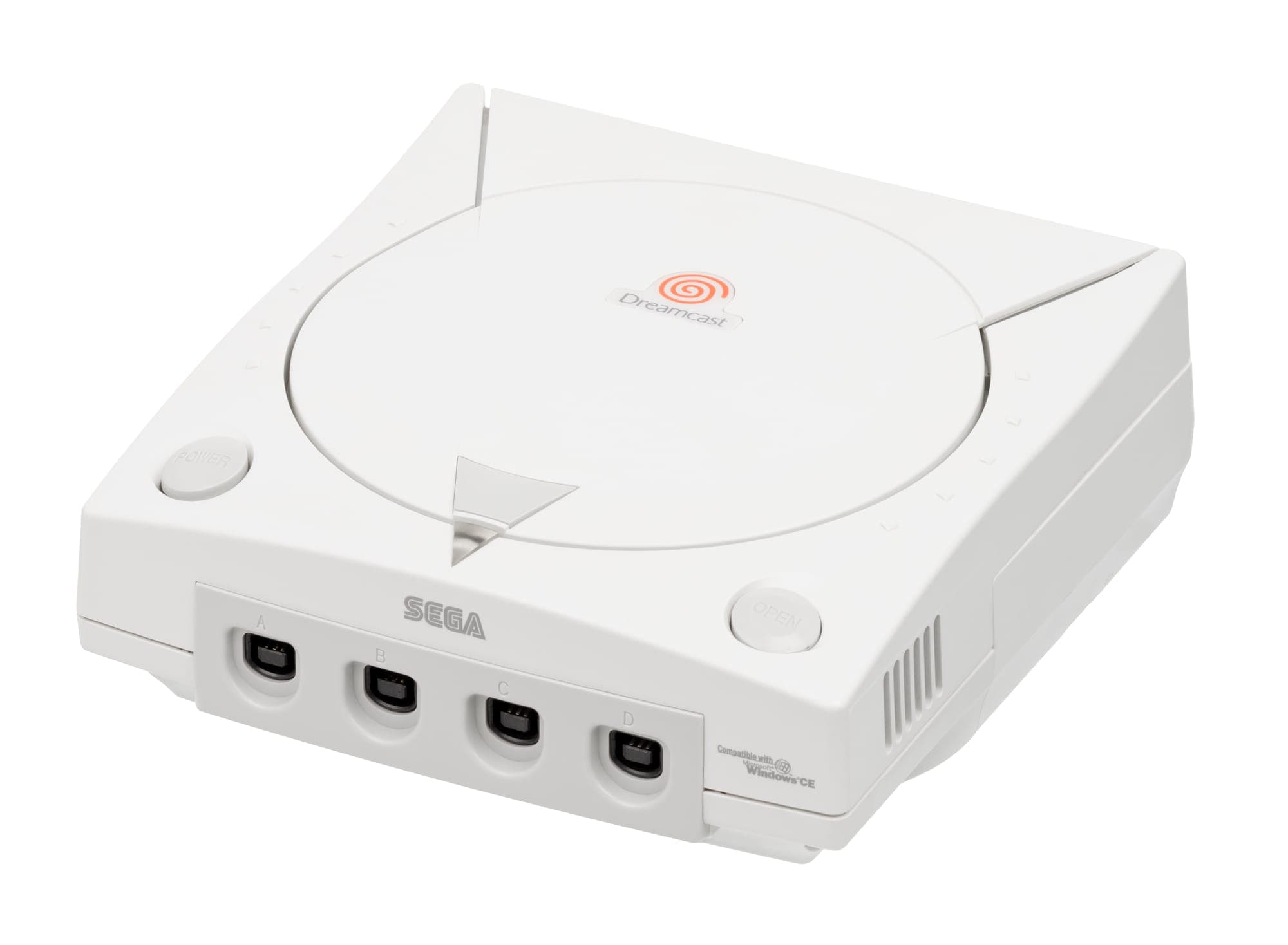
The Sega Dreamcast: The Console That Died Too Soon
September 9, 1999. Sega spent the day chanting "9/9/99" like a marketing incantation, and for once the hype was earned. The Dreamcast landed in North America with a launch lineup that actually mattered, a 128-bit Hitachi SH-4 CPU, and a built-in 56k modem nobody else was brave enough to bundle. It was the first console of the sixth generation, and it beat the PlayStation 2 to market by more than a year.
And then it was gone. Sega pulled the plug on hardware in early 2001, barely 18 months into the console's Western life. That short, brilliant flame is exactly why collectors still obsess over it.
Why the Dreamcast punched above its weight
Sega had burned a lot of goodwill by 1999. The 32X was a disaster, the Saturn was mismanaged into an early grave, and retailers were wary. So the Dreamcast had to be good, and it was. The PowerVR2 graphics chip pushed clean, arcade-quality visuals that genuinely embarrassed the aging PlayStation and N64.
The hardware had personality, too. The VMU – that little memory card with its own LCD screen slotted into the controller – let you play mini-games and peek at stats mid-match. It was gimmicky and wonderful, the kind of idea a company throws out when it has nothing left to lose.
Then there was SegaNet. Console online gaming existed before, but the Dreamcast made it real for living rooms. Phantasy Star Online in 2000 was the first time a lot of console players ever traded loot with a stranger halfway across the world.
The three games that define it
Plenty of Dreamcast games are good. A few are the reason the machine gets whispered about like a lost saint.
- Soulcalibur (1999) – Namco's weapons fighter didn't just port to the Dreamcast, it looked better than the arcade original. It remains one of the great launch-window titles in any console's history.
- Shenmue (1999/2000) – Yu Suzuki's sprawling, absurdly expensive open-world revenge saga. Full day-night cycles, NPCs with schedules, forklift driving. Half detective sim, half budget-devouring fever dream, and hugely influential on everything from Yakuza to modern open worlds.
- Jet Set Radio (2000) – cel-shaded before cel-shading was a trend, with a soundtrack that still slaps. It's the console's aesthetic thesis in one game.
Honorable mentions run deep: Crazy Taxi, Power Stone, Skies of Arcadia, and the criminally underrated Rez. For a system that lived 18 months, that hit rate is ridiculous.
The argument that never dies
Ask a room of Dreamcast enthusiasts what killed it and duck. The popular narrative blames piracy – the GD-ROM format was cracked wide open, and burnable copies played on unmodified consoles thanks to the MIL-CD boot exploit. No modchip required. That undeniably bled software revenue.
But the harder truth is that Sega was already financially wrecked before the Dreamcast shipped, and the looming shadow of the PlayStation 2 – with its DVD playback and Sony's marketing war chest – scared third parties off. EA never made a single Dreamcast game, which for a sports-hungry Western audience was a quiet death sentence. Whether piracy was the cause or just the final shove is a debate that'll outlive all of us.
Where it sits in the collector market
For years the Dreamcast was the affordable sixth-gen entry point. That's changed. Loose consoles are still reasonable, but the halo titles have climbed steadily, and sealed or CIB copies of the desirable games command real money now.
A few things worth knowing before you buy:
- Watch the disc drive. The GD-ROM optical assemblies wear out and are the single most common point of failure. A console that boots the menu but chokes on games usually has a dying laser.
- Region matters. Games are region-locked, though the console reads any region's disc if you use a boot swap or a homebrew loader. PAL versions of some titles run with borders and slower framerates – NTSC-J and NTSC-U copies are generally preferred.
- The rare stuff. Late PAL releases and low-print RPGs like Skies of Arcadia and Western Shenmue II (which skipped the US on Dreamcast entirely) are the ones that sting your wallet.
The modding scene keeps the machine alive, too. GDEMU and MODE optical-drive emulators let you run everything off an SD card, which spares those fragile lasers – a purist compromise, but a practical one if you actually want to play.
The Dreamcast is the rare console whose reputation grew after death. It lost the war, sold a fraction of what the PS2 did, and yet almost everyone who owned one talks about it like a first love. Maybe that's the real lesson: sometimes the machine that dared the most and lost is the one people never stop missing. What's the Dreamcast game you'd pay stupid money to get boxed again?


