 Back
Back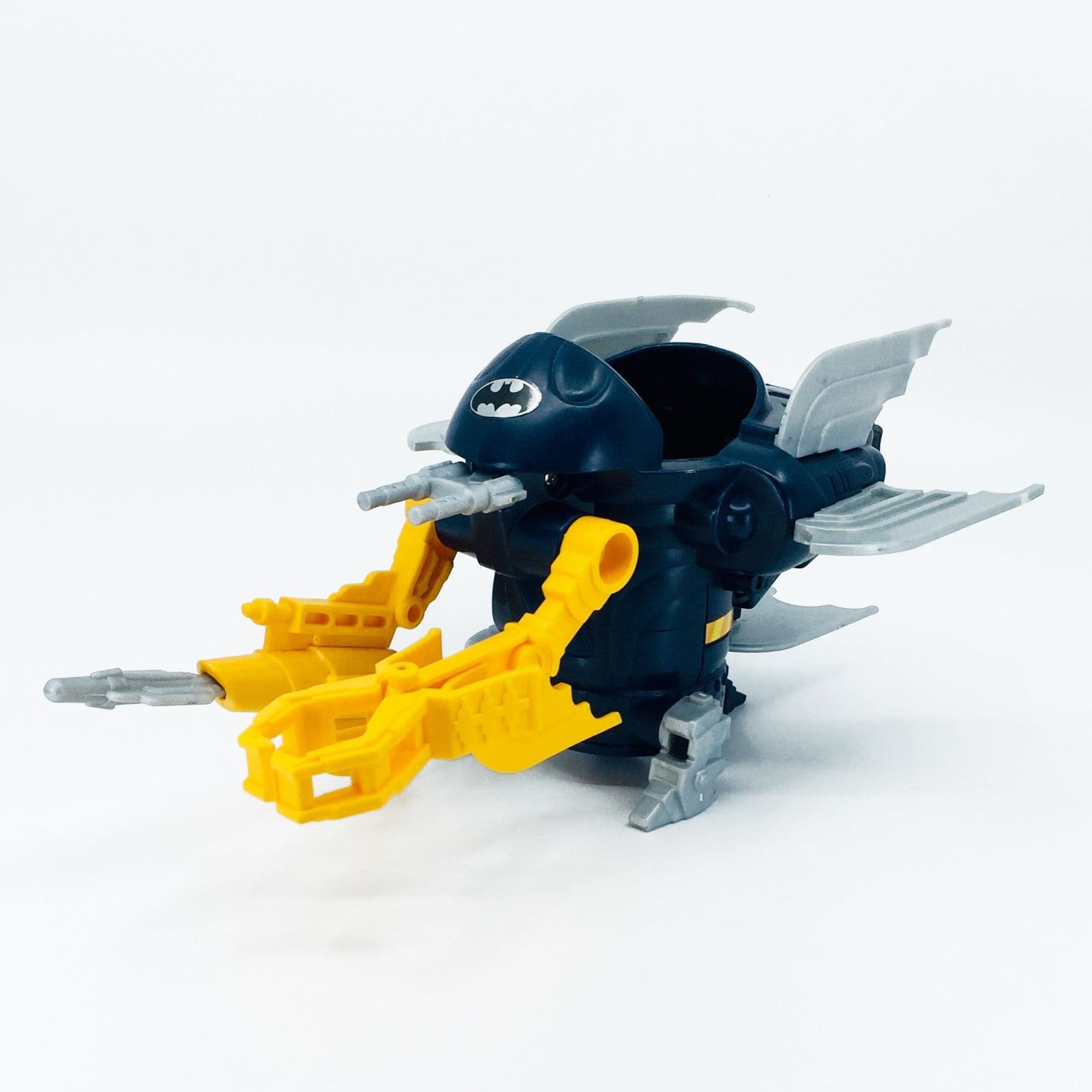
Why FPGA Consoles Are Quietly Eating the Retro Market
Ask anyone who tried to buy an original Super Nintendo last year and they'll tell you the same thing: a decent boxed console isn't the casual pickup it was five years ago. Loose consoles still turn up cheap, but clean examples with the right cables and a working RGB-capable board have crept steadily upward. And here's the thing collectors are only now admitting out loud – a growing chunk of players have stopped chasing the original hardware altogether.
The reason is sitting on a lot of shelves now: FPGA machines. Not emulation boxes running software on a little ARM chip, but field-programmable gate arrays configured to behave like the actual silicon of a SNES, a Genesis, or a Neo Geo. The distinction matters, and the market is finally treating it that way.
What FPGA actually changes for players
Emulation approximates a console in software. An FPGA reconfigures itself into a hardware-level recreation of the original chips, which means near-zero input lag, accurate timing, and cartridge compatibility that software emulators still fumble on edge cases. If you've ever noticed audio pitch drift or a game that runs a hair too fast on a cheap plug-and-play, that's the gap FPGA closes.
Two forces drive this. On the premium end, Analogue's machines – the Super Nt, the Mega Sg, the Pocket – sell out on release and command healthy resale when they do. On the open-source end, the MiSTer project runs on a Terasic DE10-Nano dev board and community-written cores, and it now covers an absurd range of systems from the arcade JAMMA era through 16-bit home consoles.
- Accuracy: cores are updated by developers who reverse-engineer real hardware behaviour, not guesswork.
- Compatibility: most take real cartridges or accurate ROM sets, and many support original controllers.
- Output: proper HDMI with scanline and CRT-simulation options, so you're not fighting a modern TV's scaler.
Why this is pulling pressure off original hardware
Here's the counterintuitive part. You'd think FPGA popularity would tank prices on vintage consoles. It hasn't – not evenly, anyway. What it's done is split the buyer pool. Players who just want to play Mega Man X on a big screen with no lag are increasingly happy with an FPGA solution, which cools demand for beat-up loose consoles.
Meanwhile, collectors chasing sealed and CIB pieces are a separate market entirely, and that end keeps climbing regardless. The result is a widening gap between "functional retro" and "collectible retro." A yellowed loose PAL SNES and a mint boxed NTSC-J Super Famicom are no longer really competing for the same wallet.
This mirrors what's happened across the wider vintage-collectibles world, where the display piece and the play piece have diverged. It's the same instinct that keeps boxed 90s toys like the Kenner Batman: The Animated Series Hover Bat commanding a premium over loose examples – condition and completeness are the whole game once function is solved elsewhere.
What to watch over the next couple of years
New cores keep landing for MiSTer, and each one that nails a previously-tricky system chips away at the argument for buying failing original hardware just to play. The Sega Saturn and PlayStation-era cores are the frontier now, and progress there will tell us a lot. Those 32-bit and disc-based systems are exactly where original hardware is aging worst – dying laser assemblies, leaking capacitors, drives that were never built to last thirty years.
So the practical questions worth asking before you spend:
- Do you want the object or the experience? Be honest, because that answer decides everything.
- Is the game library you care about well-covered by an existing accurate core?
- If you're buying original hardware to play, have you budgeted for a recap and a cleaning, not just the sticker price?
My take: FPGA hasn't killed the collector market and it won't. What it's done is separate the romantics from the players, and that's healthy for both. The person who wants a shelf of boxed carts under glass and the person who wants flawless Contra III on a Sunday afternoon were never really the same buyer – they just used to be forced to shop in the same aisle.
The interesting fight is coming for the mid-tier: those functional-but-not-mint consoles that used to be the default entry point. If FPGA keeps improving, who's still buying a scuffed loose console at a premium in three years? I've got my guess. What's yours?


