 Back
Back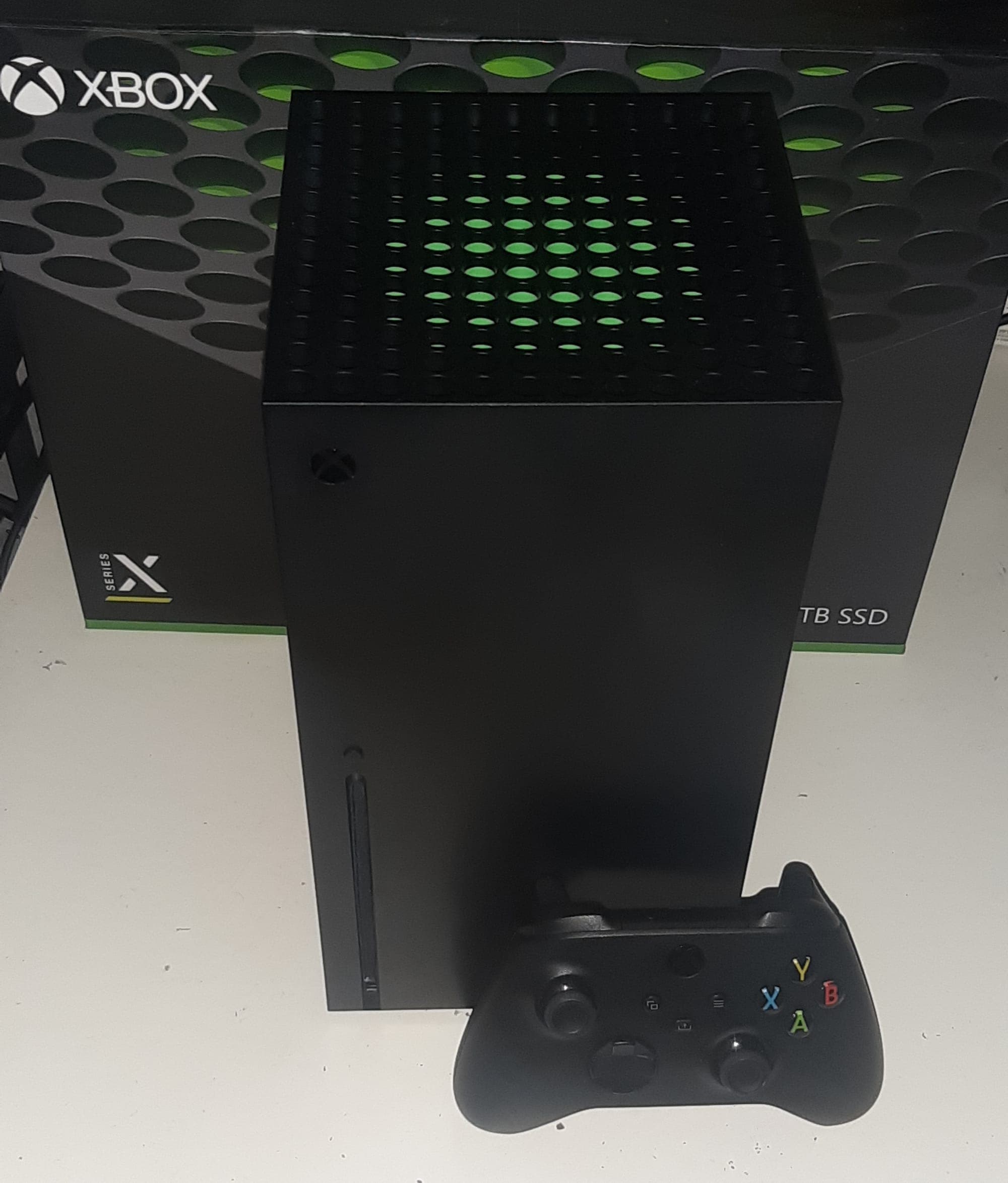
Collecting Xbox Series X|S Before the Discs Disappear
The Xbox Series S can't read a disc. There's no drive to attach, no workaround – the small white half of Microsoft's November 2020 launch pair simply assumes you'll never own a physical game. For collectors, that one design call splits this generation down the middle: hardware you can shelve and keep, and a software library quietly migrating to licences on a server you don't control.
Which makes collecting the Series X|S while it's still on shelves an odd, slightly urgent hobby. The desirable stuff isn't always what the marketing points at – and the window for grabbing it boxed and complete is exactly as long as the generation itself.
Why the hardware is the real collectible layer this time
Previous Xbox generations taught us that the consoles themselves – especially limited runs – age into the trophy pieces. The Series era already has its obvious candidate: the Halo Infinite Limited Edition Series X, released for Halo's twentieth anniversary with custom theming inside and out. Microsoft does full console tie-ins rarely, and rarity at manufacture is the one thing nobody can retro-fit later.
Controllers are the affordable version of the same bet. The Series-era pad picked up a Share button and a run of genuinely strange special editions – the colour-shifting Aqua Shift swirl, the Starfield limited edition, the Halo Infinite Elite Series 2. One caveat: an Xbox Design Lab controller is one-of-one, but personalisation isn't scarcity. A future buyer wants the retail limited edition in its retail box, not your custom colourway.
And don't sneer at the merch. The Xbox Mini Fridge started life as a meme about the Series X's silhouette and ended up a real licensed retail product. Official jokes have a habit of becoming the display-shelf centrepieces of the next decade.
Sealed games and steelbooks are the new scarce commodity
Physical print runs are visibly thinning. Hi-Fi Rush shadow-dropped as a digital-only release and only got discs later through a boutique physical run; Alan Wake II launched with no disc at all. Even premium packaging has hollowed out – Starfield's Constellation Edition famously shipped a download code where the disc should be. When the deluxe tier doesn't contain the game, the ordinary disc version becomes the archival object by default.
This is an old Xbox pattern accelerating, not a brand-new one. The Gears of War 2 Limited Edition wrapped its disc in a steelbook with an art book back in 2008, when a steel case was a bonus rather than a lifeboat. The difference now is that the steelbook is frequently the only physical artefact a game gets.
If you're buying with one eye on the shelf and one on the future, prioritise:
- Complete-on-disc releases – open the case mentally before you buy and confirm it's a disc, not a code
- First-print steelbooks and retailer-exclusive cases, which rarely get a second pressing
- Boutique physical runs of digital-first titles – usually one print and done
What a console's shelf years tell you about its afterlife
History from earlier Xbox generations is unusually consistent about what becomes desirable, and it's rarely the blockbusters. It's the late-era oddities that shipped small and vanished. Call of Cthulhu: Dark Corners of the Earth, Headfirst Productions' 2005 Lovecraft adaptation for the original Xbox, sold modestly, never got a reprint after its developer collapsed, and became exactly the kind of CIB copy collectors hunt down. Steel Battalion pulled the same trick with hardware in 2002 – a Capcom release inseparable from its colossal dedicated controller.
The extravagant pack-ins hold up too; Halo 3's Legendary Edition Spartan helmet is still visual shorthand for “2007 Xbox fan”. What doesn't age into scarcity is anything printed in the millions: a copy of FIFA 17 is a lovely time capsule of The Journey's debut season, but annualised sports games are the one genre where a complete run says more than any single entry – especially now the FIFA name itself has been retired from EA's football series.
Apply that lens to the Series X|S and the shopping list writes itself: low-print AA releases, physical editions of games that launched digital-first, late-generation pressings of first-party titles, and any console or controller Microsoft attaches the words “limited edition” to while actually meaning it.
Here's the hot take, though: the museum piece of this generation might be the Series S itself. The little white box collectors ignore is the clearest artefact of the moment a platform-holder shipped mainstream hardware that couldn't touch its own physical library. Keep one boxed – in thirty years, explaining it will take longer than explaining the steelbooks. So, which item are you betting becomes this generation's Steel Battalion?


