 Back
Back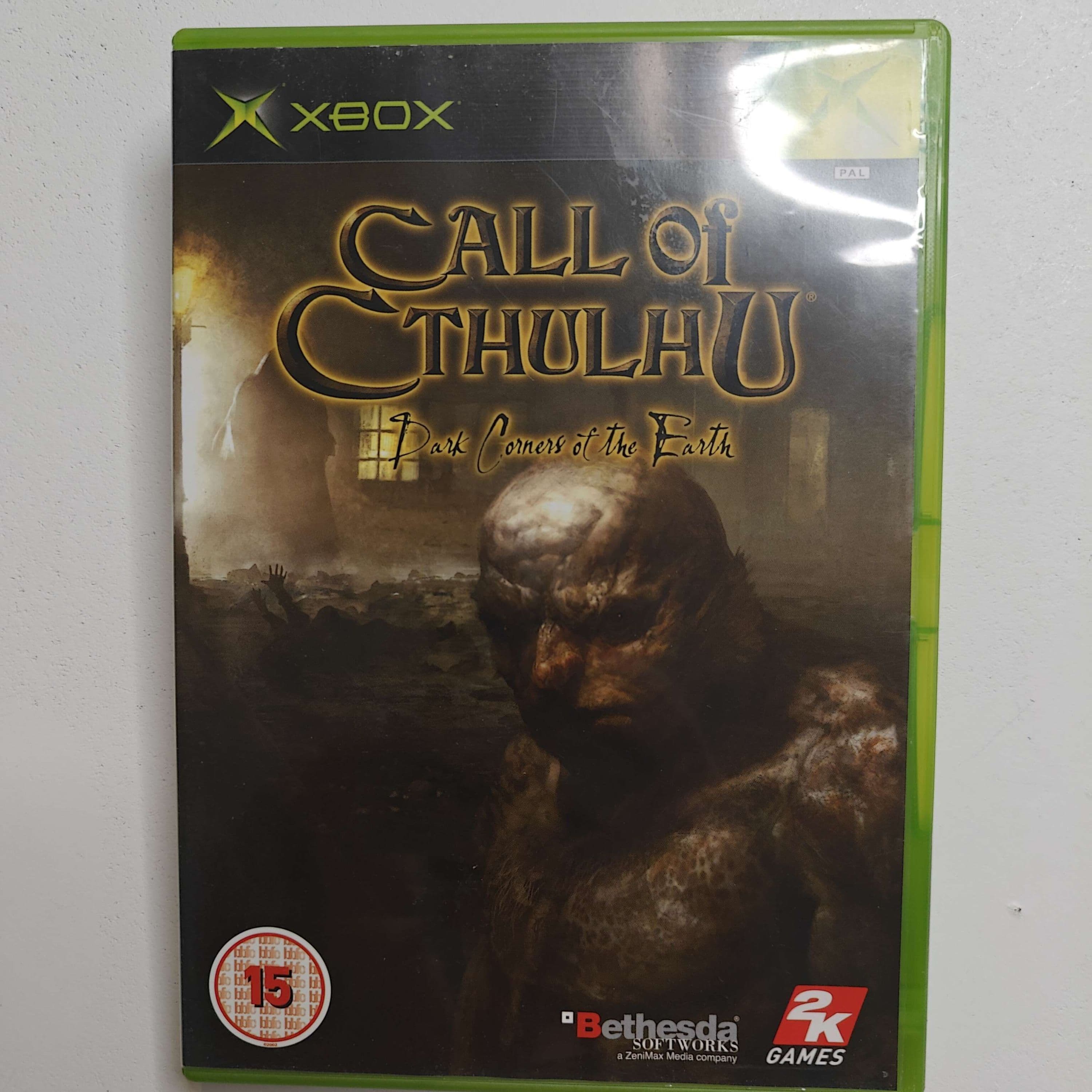
Why Xbox Is Console Collecting's Best Entry Point
Flip over an original Xbox that's been sitting in a loft since 2003 and there's a fair chance its clock capacitor is quietly leaking onto the motherboard. That's the odd spot Microsoft's first console occupies: young enough that flea markets still price it as clutter, old enough that it fails like proper retro hardware. For a collector, that overlap is the sweet spot.
Launch hardware with teeth: capacitors, drives, and the Duke
The original Xbox launched in November 2001 built like a PC in a tank chassis – Intel processor, Nvidia graphics, and the first built-in hard drive in a mainstream console. That PC heritage is why modders adore it, and also why it has PC-style failure points.
The big one is the clock capacitor. Motherboard revisions 1.0 through 1.5 use a capacitor that leaks with age and eats the traces underneath it; the final 1.6 revision swapped it for a part that doesn't. If you buy any earlier console, opening it up and snipping that capacitor out is standard community practice – the Xbox runs happily without it.
Check the DVD drive too: early units shipped with Thomson drives that struggle to read discs two decades on, while Samsung drives are the ones you hope to find when you crack the case. And remember the stock hard drive is locked to its console, so a dead drive isn't a simple swap without pulling the EEPROM key first. Finally, pick a side in the controller debate – the enormous American launch pad nicknamed the Duke, or the smaller Controller S that Japan got from day one and everyone else adopted later.
Red rings, and the 360s that actually survive
The Xbox 360 arrived in 2005 and gives the scene its second act – plus its most infamous hardware story. Early launch-era boards died of the Red Ring of Death in huge numbers, so an untested early console is a gamble, not a bargain. Later Jasper-revision boards and the 2010 Slim redesign are far tougher and make better daily players.
Both generations also produced special consoles the community genuinely tracks. On the original Xbox, look for the translucent green Halo Special Edition and the clear Crystal edition; on 360, the green-and-gold Halo 3 console, the red Gears of War 3 machine, and the R2-D2-themed Kinect Star Wars bundle that chirps droid noises when you power it on. Complete-in-box examples with matching inserts are where the real hunt lives – and since the console sold modestly in Japan, JP-NTSC hardware and games are a scarce, underappreciated niche of their own.
DVD-era condition: the case lies more than the disc
Because Xbox games shipped on DVDs, outright disc rot is far less common than on older CD-based systems. The real enemies are mundane:
- Hub cracks around the centre ring, left by stiff case spindles
- Discs polished to a haze by rental-store resurfacing machines
- Snapped tabs and torn artwork on the standard DVD-style cases
- Missing manuals – nearly everything shipped with one, so complete means complete
Cult titles are where condition already pays. A complete copy of Call of Cthulhu: Dark Corners of the Earth – Headfirst Productions' 2005 Lovecraft sleeper – is exactly the sort of late-era release collectors grade hard, because clean copies are the only ones anyone wants. The same logic applies to the Halo 2 Limited Collector's Edition steelbook, where every dent in the metal case does the depreciating for you.
Why the entry fee is still pocket change
Here's the accessible part: Microsoft pressed these games in enormous numbers, and nostalgia demand hasn't fully arrived. Most of both libraries costs less than a takeaway, and job lots like a three-console Xbox bundle or a 360 triple pack headlined by LIMBO let you fill shelves fast while you figure out what you actually love collecting.
The exceptions prove the rule. Steel Battalion with its pedal-equipped, two-stick monster of a controller, Japan-only FromSoftware curios like Metal Wolf Chaos, and Sega's Panzer Dragoon Orta already command serious attention. Almost everything else is still sitting in bargain bins, waiting.
Every collecting scene gets one window where the hardware is cheap, the fixes are documented, and the grails haven't scattered. Nintendo's window closed. Sony's is closing. Xbox's is wide open – and the leaking capacitors are doing you a favour by thinning the herd. The real question isn't whether this stuff gets expensive; it's whether you'll already have your copies when it does.


