 Back
Back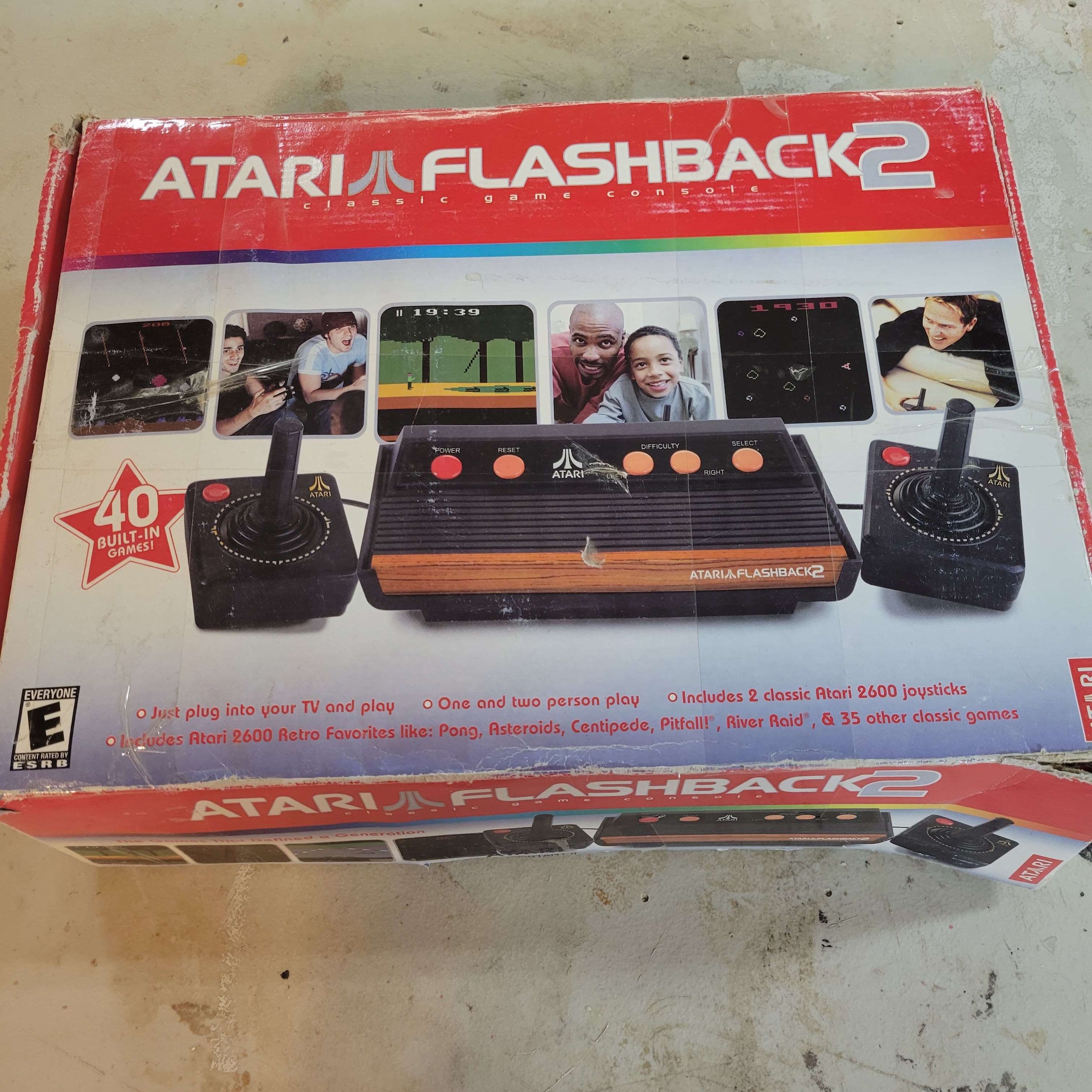
Heavy Sixer or Vader? Identifying Every Atari 2600 Revision
Flip the console over before you do anything else. If the sticker on the bottom says Sunnyvale, California, you might be holding a 1977 Heavy Sixer – the first-run Atari Video Computer System, and the unit every 2600 collector quietly hopes will surface in a box of cables at a flea market. If it says Hong Kong or Taiwan, don't put it down yet. The differences just get subtler from here.
Atari kept the guts remarkably stable across a decade of production – the same MOS 6507 CPU and TIA video chip run everything – so identification is all about the case, the switches, and the badge. Every revision plays the same cartridge library. Which one you own changes what it means to a collector, not what it can do.
Count the switches first: six, four, or a rainbow
The fastest sort is the switch count on the top panel. The original 1977 CX2600 carries six silver toggles: power, TV type (colour/B&W), two difficulty switches, game select and game reset. Collectors call these Sixers, and they come in heavy and light flavours – more on that below.
In 1980, Atari moved the two difficulty switches to the back panel, leaving four up top. The woodgrain veneer stayed, so a four-switch woodgrain passes for a Sixer at a glance until you count. Around 1982 came the all-black four-switch, nicknamed the Vader – by then the Atari 5200 had launched, and the old VCS was officially rebadged as the Atari 2600.
Last is the Junior, the small mid-'80s wedge with a silver faceplate and rainbow stripe. It shipped in the cost-cutting Tramiel era and feels like it – lighter, simpler, no woodgrain anywhere. Junior devotees sort sub-variants by the badge, with the "large rainbow" and "short rainbow" labels being the ones you'll hear argued about.
Heavy or light? Pick it up and check the corners
Telling the two six-switch models apart is the classic 2600 identification test. The Heavy Sixer earns its name honestly: the internal RF shielding is a thick, hefty affair, and the whole console weighs noticeably more than any later model. The plastic gives it away too – a Heavy Sixer's front corners are thicker, with a wider ribbed lip that looks almost swollen next to a Light Sixer's trimmer edges.
Then check the label. Heavy Sixers were built in Sunnyvale, California, and the bottom sticker says so. When production shifted overseas – typically Hong Kong or Taiwan – the case slimmed down into the Light Sixer. Same six switches, same woodgrain, thinner everything.
What "complete" actually looks like for a 1977 console
CIB expectations calibrated on SNES-era games will wreck you here. A genuinely complete early VCS set includes:
- The console itself, with all switch caps intact
- Two CX40 joysticks and a pair of CX30 paddle controllers
- The RF switch box that clipped onto a TV's antenna terminals
- An original Atari-branded power adapter
- The Combat pack-in cartridge, manuals, and the box
In practice, the switch box went out with the old telly decades ago, paddles almost always have jittery potentiometers, and surviving boxes are scarce enough that an honest "console plus controllers" bundle is the realistic norm. Judge completeness in tiers – loose console, console with correct-era controllers and a cart, and true CIB – each a meaningful step up in desirability.
The details that separate a shelf piece from a grail
Condition on a 2600 concentrates in a few spots. The woodgrain applique scratches and peels, the black bezel scuffs, and switch caps crack or wander off – with correct replacements differing between revisions. A Sixer with crisp woodgrain and all-original toggles is a different object from one that spent forty years in a garage, even if both power on.
Region matters too. PAL units exist across the whole range, and an NTSC cartridge in a PAL console typically means wrong colours or a rolling picture – so match the console to the games you actually intend to play. And be honest about what you want from the hobby: if you just fancy the classics without recapping anything, Atari's own Flashback 2 deliberately cribbed the woodgrain Sixer look, and a compilation like Atari Greatest Hits Volume 1 puts a chunk of the library in your pocket.
Here's the mildly heretical take: the Heavy Sixer is the trophy, but the Light Sixer is the smart buy – the same launch-era silhouette with far less of a bidding war attached. So what's your first tell when a woodgrain Atari turns up in the wild: the corners, the sticker, or the weight?


