 Back
Back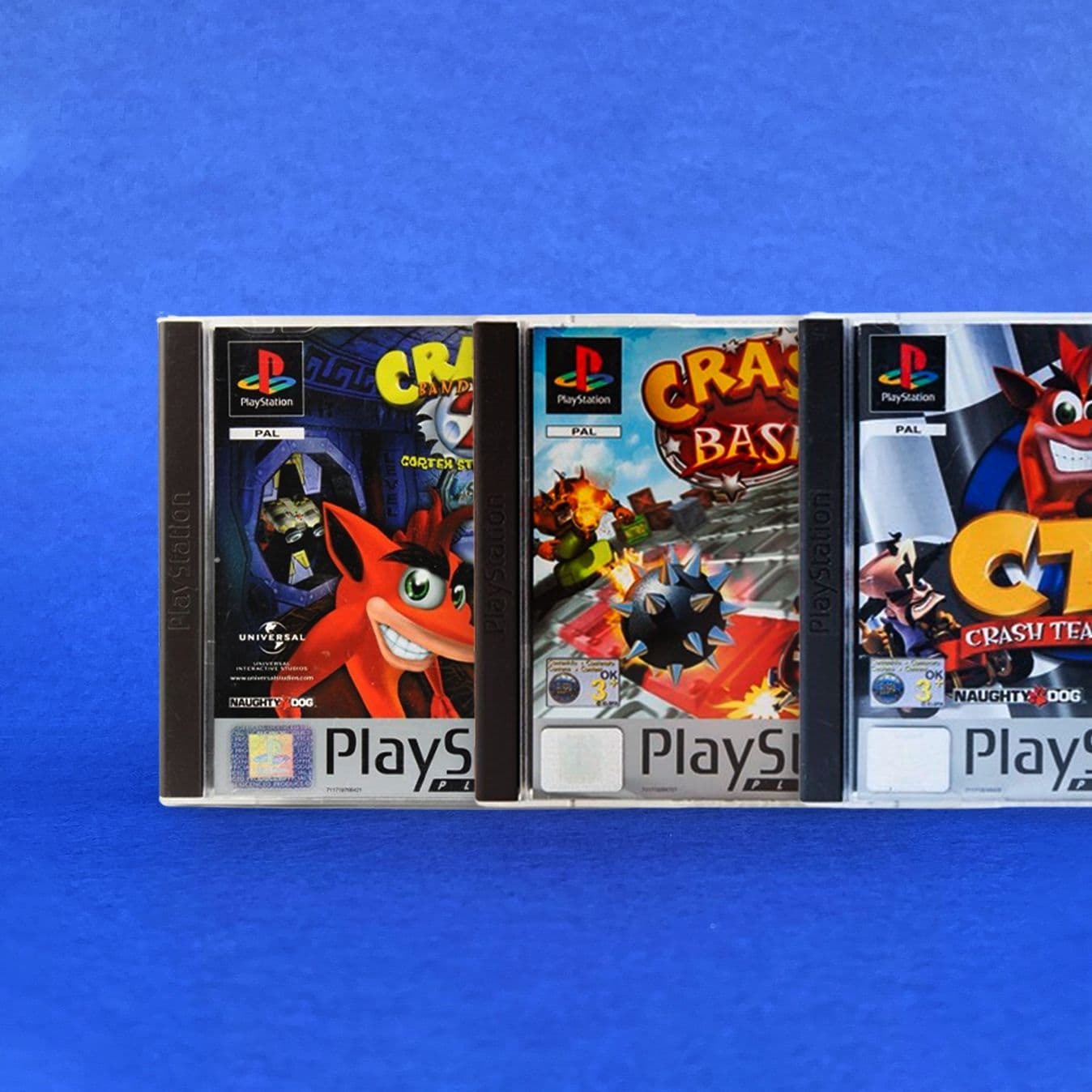
Grails, Snipes, and the Fine Print That Shifts Risk to You
“Untested, sold as-is, no returns.” Six words, and every gram of risk just slid off the seller’s shelf and onto your doorstep. Marketplace listings are written in a dialect, and whether you walk away with a bargain or a very expensive paperweight usually comes down to how fluently you read it. Here’s the translation guide.
Grail hunting starts with the seller’s vocabulary
A grail is the piece at the top of your personal want list – the one you’d apologize to your bank account for. For SNES collectors it’s often a complete-in-box EarthBound; for N64 people it might be ClayFighter Sculptor’s Cut, the Blockbuster rental exclusive. The key word is personal: a boxed PAL Saturn can be one collector’s grail and another’s shelf filler.
When “grail” shows up in a listing title, though, it’s doing sales work. A seller who writes it knows exactly what they have and has priced at the ceiling. Expect to pay for the label, not just the item.
BIN – Buy It Now – is a fixed price that ends the listing on the spot. It signals a seller who values a fast, predictable sale over squeezing out the last few percent. OBO (“or best offer”) means the sticker is an opening position, not a verdict. OBO sellers expect to haggle; a fair offer isn’t rude, it’s the entire point of the flag.
Reserves, watchers, and the last ten seconds
A reserve is a hidden minimum on an auction. Bidding can open at pocket change, but if nobody clears the seller’s secret floor, the listing ends with “reserve not met” and nobody wins. It signals a seller who wants auction excitement with none of the auction risk – a low starting bid over a reserve is theater, not a deal.
Watchers are the people following a listing without bidding. A high count confirms demand, but watchers aren’t buyers: plenty are rival sellers checking prices, or bargain hunters waiting for a relist. Don’t panic-bid because forty people are lurking.
Sniping is placing your bid in the final seconds so nobody has time to respond. It isn’t cheating – it’s discipline. Early bids only advertise interest and drag the price upward. Decide your true maximum, bid once, bid late. If you lose, you lost to someone who paid a price you’d already refused.
Lots and bundles: buying in bulk without buying blind
A lot is a pile sold as one listing – loose carts, mixed controllers, a “see photos” description doing all the heavy lifting. Lots are fantastic for parts hunters and resellers, riskier for anyone chasing one specific game. The photo is the condition report, so zoom in: label wear, cracked cases, corrosion on the contacts.
A bundle is the lot’s better-groomed sibling – a curated set, often a console with its library or a themed run of titles, like this Crash Bandicoot PS1 bundle or a stack of GBA games. Bundles reward arithmetic: price every item as if you were buying it alone, then check whether one headline title is propping up a supporting cast of loose sports games.
The two words that quietly hand you all the risk
As-is means no returns, no promises, what you see is what you get. From an estate seller clearing out a garage, that’s honest. From an established retro dealer with hundreds of sales, it’s a shield – someone with a shelf full of consoles has the cables to test yours.
Untested is the strongest tell in the hobby. Sometimes it’s genuine: an attic find with no AV leads, an import with an odd power supply. But an original Game Boy Advance runs on two AA batteries. A seller who moves retro stock every week and “can’t test” a GBA is often telling you they did. And remember that “powers on” is not “works” – a PS1 that spins a disc can still have a dying laser that stutters through every FMV.
Other phrases that shift risk onto you:
- “For parts or repair” – genuinely honest, and the price should reflect a broken unit. Pay accordingly.
- “Shipped as pictured” – if the manual isn’t in the photo, it isn’t in the box. Same for memory cards, region-correct cables, and inserts.
- “Not an expert, could be a repro” – on GBA Pokémon carts, assume bootleg until the circuit board says otherwise.
- “No returns” stacked on “untested” – congratulations, you’re now the quality assurance department.
Here’s the house rule: every listing quotes two prices – the number on the tag, and the one the wording implies. “Untested” is a discount you collect, never a premium you pay. Read both prices before you click anything. And if you’ve ever won an “untested” gamble that turned out mint, we’d love to hear about the one that got away, too.


