 Back
Back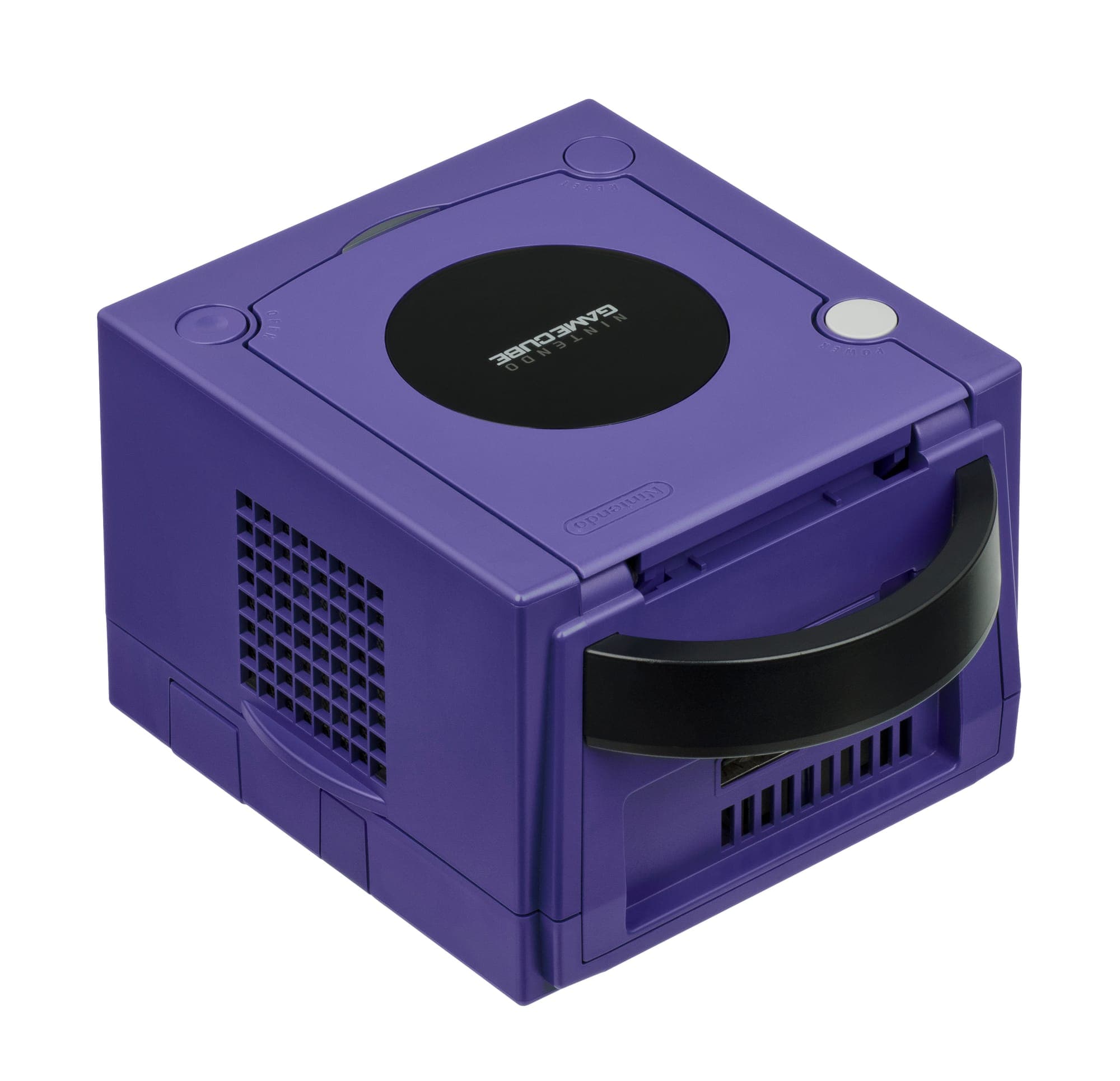
The GameCube Isn't Retro Gaming's Bargain Bin Anymore
The purple lunchbox got the last laugh. For most of the 2010s, the GameCube was the console dealers couldn't shift – stacked in a crate under the folding table while boxed SNES carts sat in the glass case. That era is over. The GameCube has quietly become one of retro collecting's strongest risers, and if you're still mentally pricing it like clearance stock, the market has moved on without you.
A console that lost the sales war is winning the scarcity war
The GameCube sold a small fraction of what the PlayStation 2 managed, and that commercial defeat is now the engine of its rise. Fewer consoles under televisions meant fewer copies of everything pressed – and by the time the Wii was on the horizon, late-era print runs for first-party titles had shrunk to match the shrinking audience.
That's why the class of 2005 stings today. Fire Emblem: Path of Radiance from Intelligent Systems and Pokémon XD: Gale of Darkness from Genius Sonority arrived when most of the world had already moved on, and neither has ever been re-released on a modern platform. The original mini disc isn't the nostalgic way to play them – it's the only way. Even mid-life titles carry a story that thins the supply: Star Fox Adventures shipped in 2002 as Rare's farewell to Nintendo, right as Microsoft bought the studio.
Compare that with the PS2, where even beloved classics exist in the millions. GameCube scarcity isn't hype. It's arithmetic.
The discs survive – the paper around them doesn't
Nintendo's 8 cm mini disc, holding roughly 1.5 GB, has aged remarkably well. The problem is everything else in the case. This was a console aimed squarely at kids, and kids are not archivists. The average copy of Mario Party 4 or Pokémon Colosseum spent its youth loose on a bedroom carpet.
PAL collectors have it particularly rough: European releases shipped with chunky multilingual manuals and club points inserts that went straight in the bin, so a genuinely untouched PAL box is a different beast from a merely complete one.
What routinely goes missing:
- The manual – especially the thick multilingual PAL printings
- Points cards, registration slips, and promotional inserts
- The Game Boy Player Start-up Disc – the Game Boy Player hardware itself turns up constantly; the little boot disc it needs, far less so
That last one is the GameCube market in miniature: an accessory as common as dirt, made precious by a small disc almost everyone lost.
Remasters were supposed to kill originals – the opposite happened
Common sense says a polished Switch-era remaster should crater demand for a twenty-year-old disc. The GameCube keeps proving the opposite. When Metroid Prime Remastered landed on Switch, it introduced a new generation to Retro Studios' 2002 masterpiece – and sent plenty of them hunting for the original disc, purple case and all.
Same story with Resident Evil 4, which launched in 2005 as a GameCube exclusive before Capcom ported it to everything with a power button. The acclaimed remake didn't replace the original in collectors' minds; it reminded everyone where the legend started. A remaster is, functionally, a marketing campaign for the artifact it's based on.
The pattern makes sense once you separate the two audiences. Players buy the remaster. Collectors buy the history – and the history only exists on the original disc.
Loose versus complete: the gap is the message
Because paper attrition hit the GameCube harder than most consoles, the difference between a loose disc and a genuinely complete copy is unusually stark – wider, in relative terms, than on cartridge-era systems where the box was the only fragile part.
Practically, the old advice still holds, just with more force. Buying to play? A clean loose disc gets you the experience for the smallest outlay, and optical media is forgiving – light scratches polish out. Buying to hold? Complete-in-box is where collector demand concentrates, and the manual and inserts are doing more of the heavy lifting than the disc is.
Two cautions. First, interrogate what complete actually means: reproduction covers and manuals are increasingly common, and a reprint insert quietly turns a CIB copy into a loose disc in a nice costume. Second, condition compounds – a tatty manual beats no manual, but the real premium lives at the top of the condition curve.
The GameCube is walking the same road the N64 walked before it: years in the bargain bin, then a sharp climb once everyone noticed the supply was finite and the demand wasn't. If you've been holding out for prices to drift back down, ask yourself one honest question – which Nintendo console has ever done that?


