 Back
Back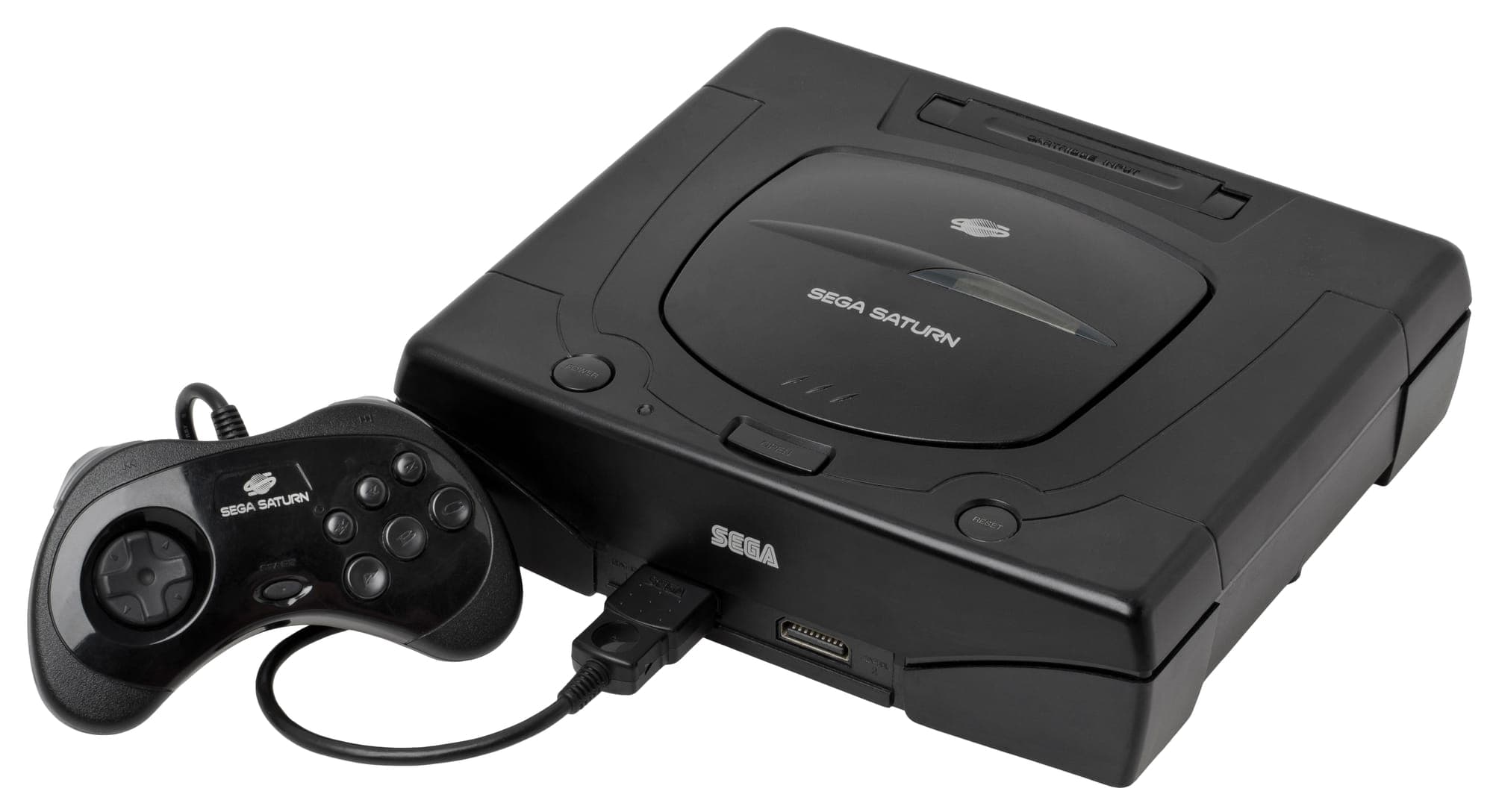
How to Start Collecting Sega Without Drowning in the Saturn
The same 1992 Sonic cartridge wears two names depending on where you bought it: Mega Drive in Europe and Japan, Genesis in North America, because Sega couldn't secure the Mega Drive trademark in the US. That one quirk tells you almost everything about collecting Sega – this is a hobby defined by regions, revisions, and knowing exactly which version you're holding.
Why region matters more for Sega than anyone else
Nintendo collecting is mostly about condition. Sega collecting is about geography. The Mega Drive launched in Japan in 1988, arrived in North America as the Genesis in 1989, and reached PAL territories in 1990 – and each region got its own cartridge shells, its own artwork, and often its own game speed.
PAL releases ran on 50Hz televisions, and plenty of early ports ran noticeably slower with borders on screen, which is why some European collectors deliberately hunt NTSC copies of action games. Japanese Mega Drive games come in smaller cases with frequently superior cover art, and they've become a collecting lane of their own. And before any of this, the Master System had already made Sega a household name in Europe and Brazil while barely denting Nintendo in the US – so Master System hunting is dramatically better on the PAL side of the Atlantic.
The Mega Drive is the friendliest front door
Start here. Sega shipped most Genesis and Mega Drive games in plastic clamshell cases with the manual tucked inside, which means complete-in-box copies survived in numbers SNES collectors can only dream about. A shelf of clamshells is achievable on a normal budget.
The canon is deep and mostly affordable: Streets of Rage 2, Gunstar Heroes if you want a taste of Treasure before Saturn prices scare you off, and pack-in staples like Sonic the Hedgehog 2, which sold in such numbers that a loose cart is one of the cheapest entry tickets in retro gaming. Licensed oddities like RoboCop Versus Terminator – Virgin's genuinely great 1993 run-and-gun – sit in the fun middle tier where the hunt matters more than the wallet.
One hardware note: early Model 1 consoles with the High Definition Graphics ring around the cartridge slot are prized for their cleaner YM2612 sound output. Later revisions are cheaper and perfectly fine, but the community has opinions, and you will hear them.
Sega CD, 32X and the Saturn – the deep end has teeth
The add-ons are where Sega collecting gets expensive and weird. The Sega CD (Mega-CD in PAL land) holds genuine treasures – Snatcher's English release lives here, and Sonic CD is essential – but you're now managing aging disc drives on thirty-year-old hardware. Bolt on a 32X and you've built the infamous tower of power: three separate power supplies feeding one television, serving a library small enough to complete in a determined year.
The Saturn is the deep end proper. Sega's surprise early US launch in 1995 left it with a thin Western library, so serious Saturn collecting means imports: Japanese shmups, arcade-perfect fighters, and Treasure's Radiant Silvergun, which never officially left Japan. You'll want an Action Replay cartridge to bypass the region lock – it doubles as the RAM expansion certain Capcom fighters require – and you'll want to sit down before pricing Panzer Dragoon Saga, the four-disc RPG whose tiny print run made it one of the most expensive things Sega ever published.
Dreamcast, Game Gear, and what actually earns respect
The Dreamcast is the sweet spot between nostalgia and sanity. Soulcalibur, Jet Set Radio and Shenmue anchor a library that still receives new independent releases decades on, and the VMU memory card – a tiny handheld in its own right – is exactly the kind of gloriously unnecessary hardware people collect Sega for.
The Game Gear is the budget wildcard. It devoured six AA batteries in an afternoon because Sega insisted on a backlit colour screen in 1990, and its original capacitors are famously past their lifespan – a professionally recapped unit is worth paying extra for. As a bonus, a converter lets it play Master System cartridges.
As for what the famously loyal Sega crowd respects in a collection:
- Complete-in-box clamshells with manuals – completeness is the baseline here, not a flex
- Regional variant runs – the same game in its Japanese, US and PAL clothing tells the whole story
- Working add-on stacks – a functioning Sega CD tower says you maintain hardware, not just shelve it
- Serviced machines – a recapped Game Gear or region-modded Saturn beats a mint but dead shelf piece
Sega collecting rewards the curious more than the wealthy. Start with a Model 1 Mega Drive or Genesis and twenty clamshells, learn the regional quirks, and only then decide whether the Saturn import rabbit hole is calling you. It will be. The only real question is whether you answer in English or Japanese.


